
Bristol Bay, Alaska has long captivated the angling world’s attention. With trophy trout so enormous they measure in feet, not inches and salmon runs so plentiful the region produces over half the world’s sockeye salmon, it’s no surprise why. Unfortunately, much of that attention has been on the looming threat that still hangs over the region.
The Pebble Mine is a proposed open pit copper and gold mine slated for the region’s productive headwaters. The mine plan includes destroying over one hundred miles of streams and there is a high risk that pollution would impact many more. Many battles have been won in the fight to block Pebble Mine, but the war for the future of Bristol Bay wages on.
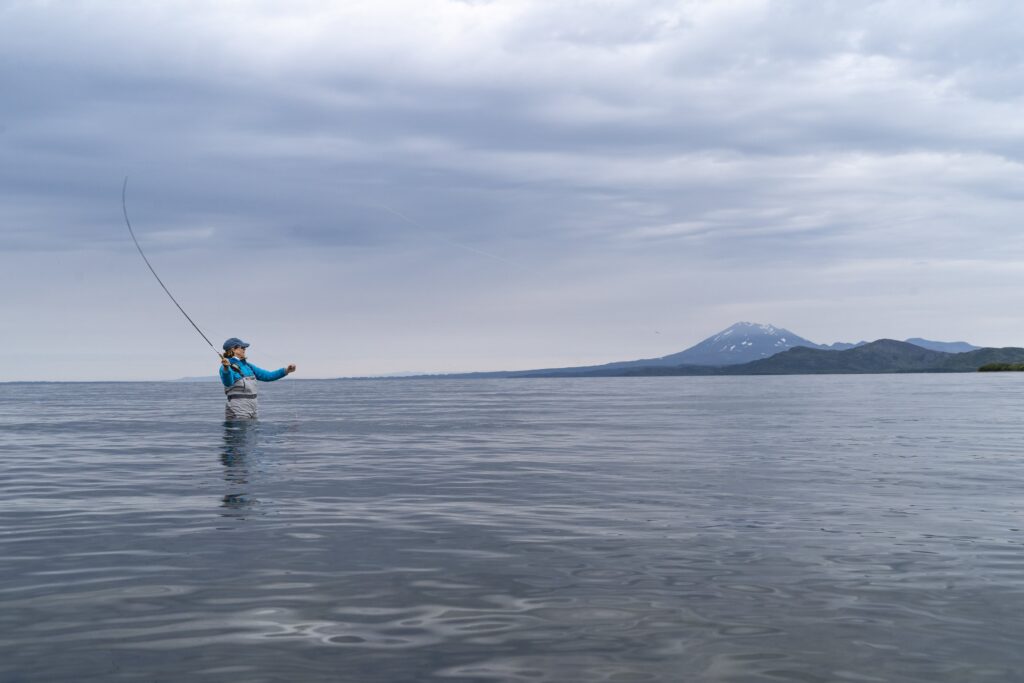
We need your help to defend current safeguards, and to forge new, more durable ones.
Angler Advocacy In Action
Over the past two decades, anglers and fish-advocates from across the globe loudly raised opposition and successfully secured several important layers of protections for fish, wildlife and rivers. First, a major necessary federal permit was denied in 2020 effectively stopping the controversial mine project. Then, the Environmental Protection Agency finalized Clean Water Act 404(c) safeguards that put another hurdle in place for the mine in 2023.
Unfortunately, lawsuits filed by the Pebble Limited Partnership and their allies in 2023 and 2024 threaten to overturn these widely supported safeguards. One unfavorable decision could make Bristol Bay and its fish, wildlife and jobs vulnerable once again to this incompatible project.
Trout Unlimited’s legal team intervened in those lawsuits and is working hard to ensure those safeguards remain. As we defend them in court, we also work to secure new, additional protective measures. Legislation that permanently shields the entire Bristol Bay watershed from large-scale mining will end the Pebble Mine saga once and for all, and we won’t stop until we get it.
Even by Alaska standards, Bristol Bay is a land of superlatives: biggest salmon run, biggest trophy trout… Together we can ensure this incredible place, that is beneficial to so many people, remains thriving for future generations to use, enjoy and experience. We’ve made it this far – let’s continue the momentum and put Pebble in the rearview mirror for good.
A Sportfishing Paradise at Risk
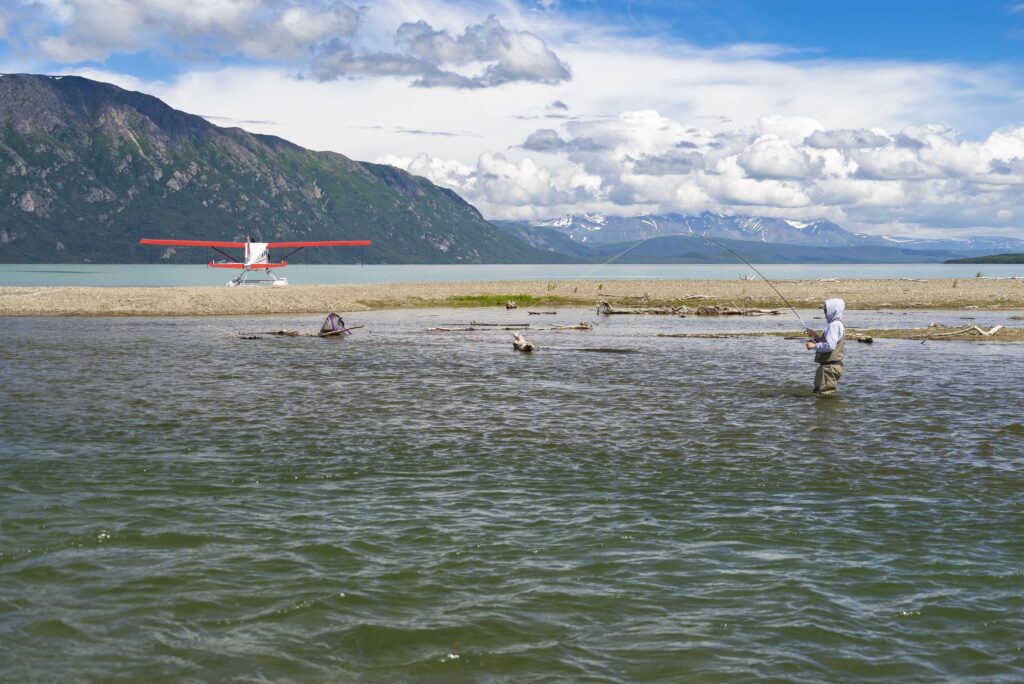
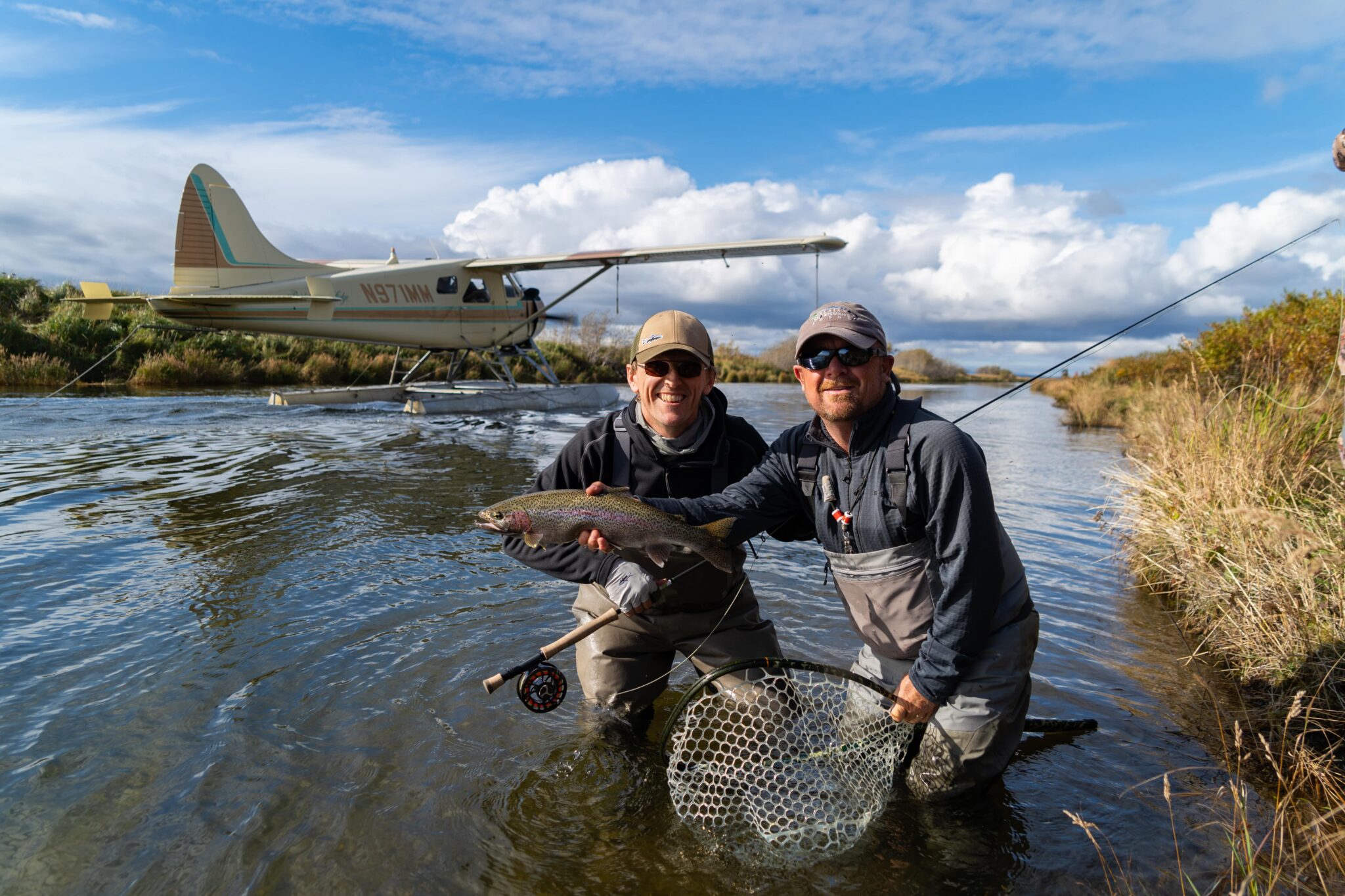
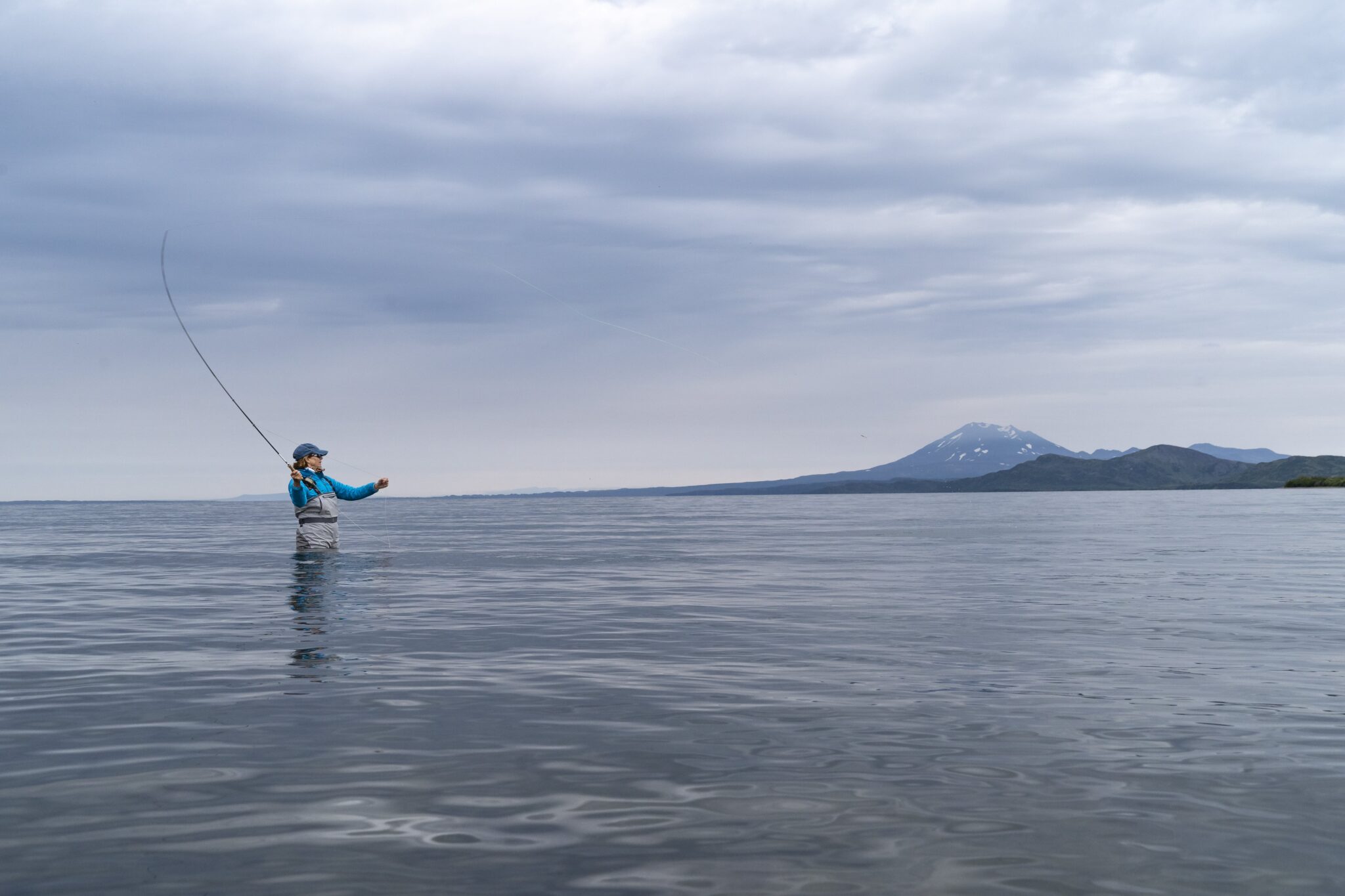
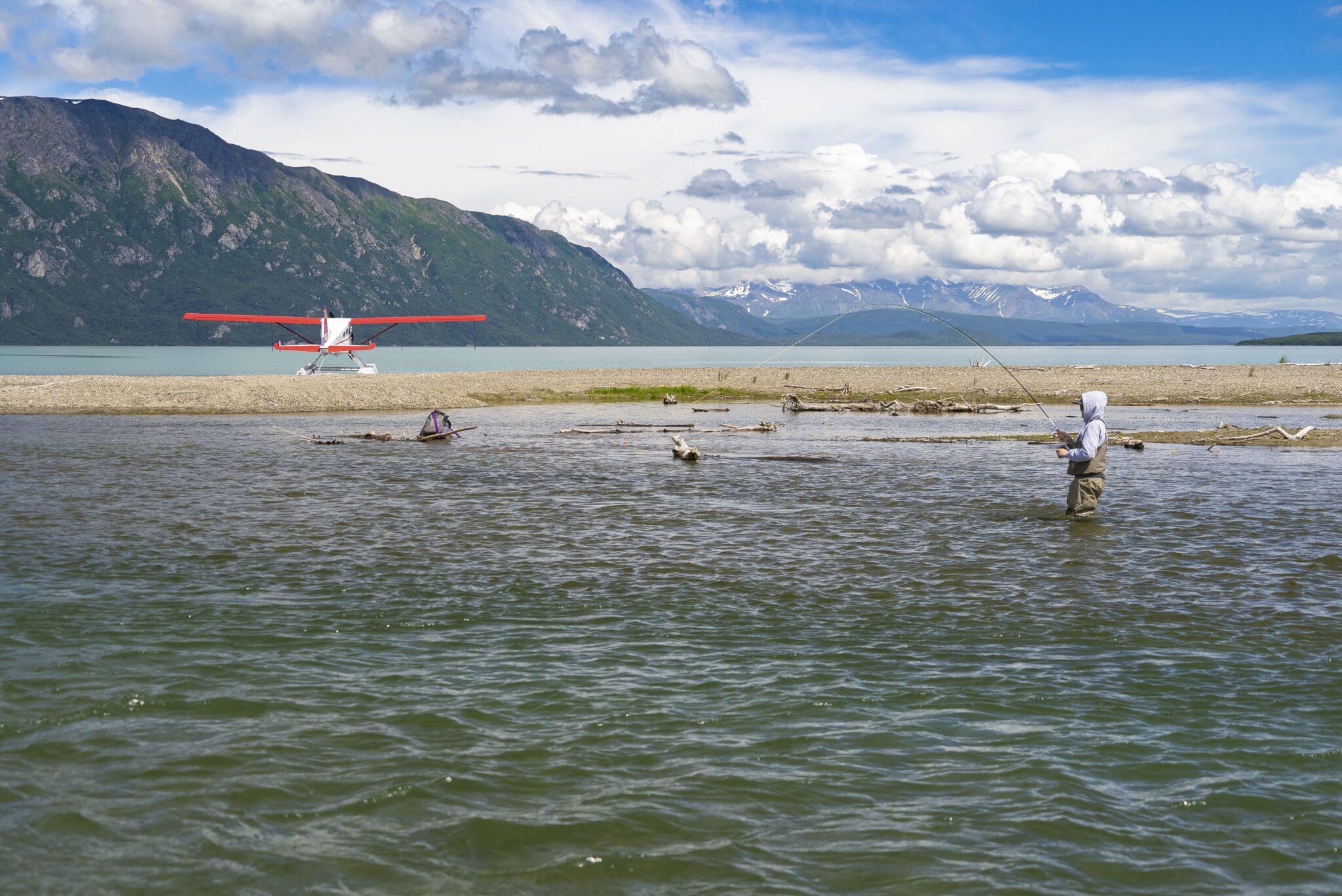
World class. Abundant. Once-in-a-lifetime. Just a few ways to describe the sportfishing opportunities in Bristol Bay, Alaska. Part of what makes this fishery so special is its size and remoteness. An hour and a half bush plane flight from Anchorage, Alaska’s largest city, lies this vast expanse, nearly the size of Ohio, that boasts some of the best fish habitat remaining on the planet.
Around 100 fishing and hunting lodges and guide operations are sprinkled throughout the region, giving visitors from near and far the opportunity to experience the vast outdoors that Bristol Bay has to offer. Anglers come to target all five types of Pacific salmon, massive rainbow trout, Arctic grayling, among a myriad of other species.
Alaskan Salmon Grand Slam
Under the midnight sun, salmon leave the nutrient-rich waters of the Northern Pacific to fight their way up Bristol Bay’s mighty array of rivers. The lifeblood of the region, for millennia they have returned to the very tributaries in which they were born, where they spawn and then die, leaving a momentous mark on the world around them. This rush of ocean nutrients they provide sustains the bears, eagles, and trout, as well as the people that call Bristol Bay home.
All five species, king, sockeye, silver, pink, and chum salmon, dressed to the hilt in their spawning colors, infiltrate these waterways by the millions, where they are a prime target for sportfishermen. Yet some species are more prized than others.
First in the migration upstream comes the mighty king salmon. Starting in May, anglers hook into these massive creatures that can edge into the triple digits in weight. Their status as Alaska’s state fish, combined with their rarity and superior taste, makes kings the most revered salmon species to target. With king runs declining across Alaska, it’s more important than ever to conserve their habitat.
Next in line comes sockeye, arriving in nearly inconceivable numbers. If you lined up all the 54 million sockeye that returned last summer, they would reach from Alaska to New York City and back, twice. Most lodges in Bristol Bay allow you to catch sockeye, filet them right there on the riverbank, and ship them back home, letting you reminisce on your unforgettable vacation every time you open your freezer and light the grill.
Rounding out the Alaska Salmon Grand Slam is a supporting cast of pinks, silvers, and chums. All five species of these anadromous fish do not eat once they hit fresh water. The hypothesis is they will bite flies out of annoyance; considering their onerous journey culminates in spawning and death; perhaps this is not surprising.
Sportfishing for salmon accounts for only a sliver of the value these special fish bring to the region. Subsistence and commercial fishermen rely deeply upon salmon. Thanks to the massive influx of calories swimming up its rivers, Bristol Bay’s many Indigenous Tribes are still able to practice a subsistence lifestyle. Summer and fall are the time to “fill the freezer” and fire up the smokehouse. There are salmon to be caught, berries to be picked, and moose to be hunted. Subsistence practices feed the body and soul; jointly providing nourishment throughout the long winters and an important connection to community, culture and place.
Every summer, nearly 15,000 commercial fishermen converge on Bristol Bay. Some are fifth-generation commercial fishing families, whose ancestors began fishing by sailboat in the late 1800s. Nowadays, the fishery creates over $2.2 billion in economic benefits per year. This sustainable income stream can continue indefinitely, provided the salmon populations remain healthy.
The proposed Pebble Mine poses a significant threat to this economic balance. If constructed, the mine runs a high risk of polluting salmon streams. While mining may offer short-term jobs and income, it risks jeopardizing the long-term prosperity of the commercial salmon fishing industry, a cornerstone of the region’s economy for over 130 years.
30’+ Rainbow Trout
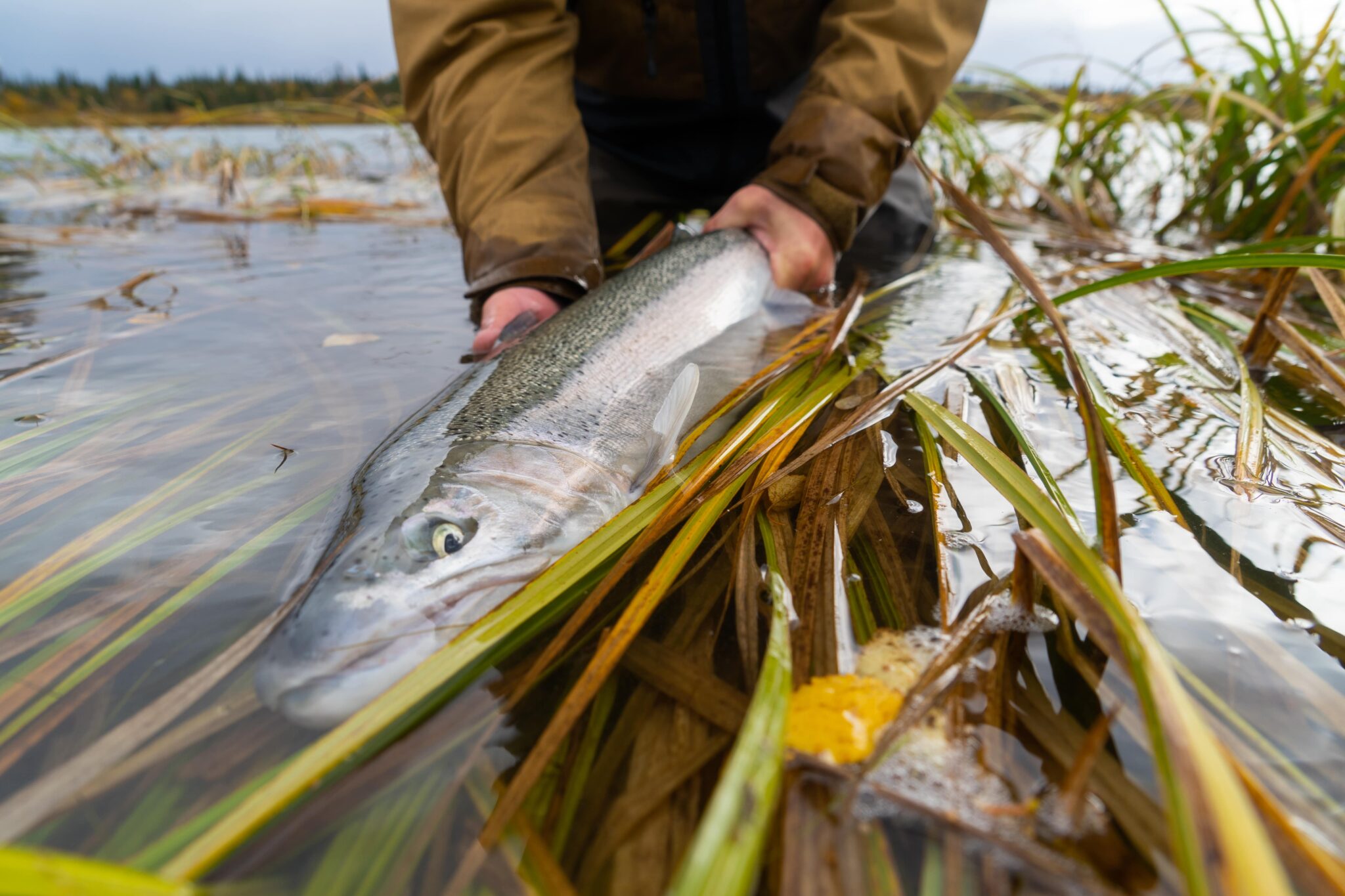
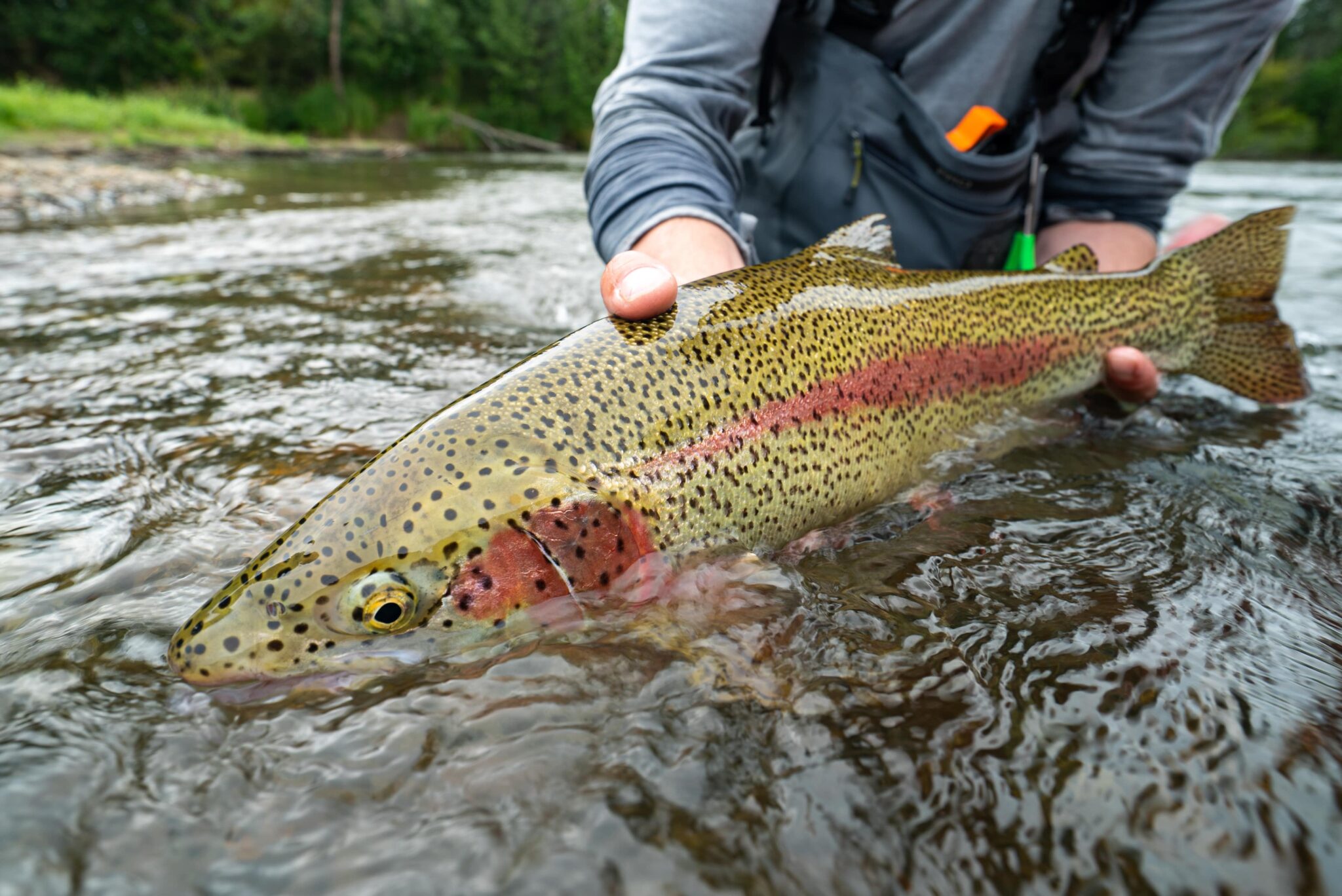
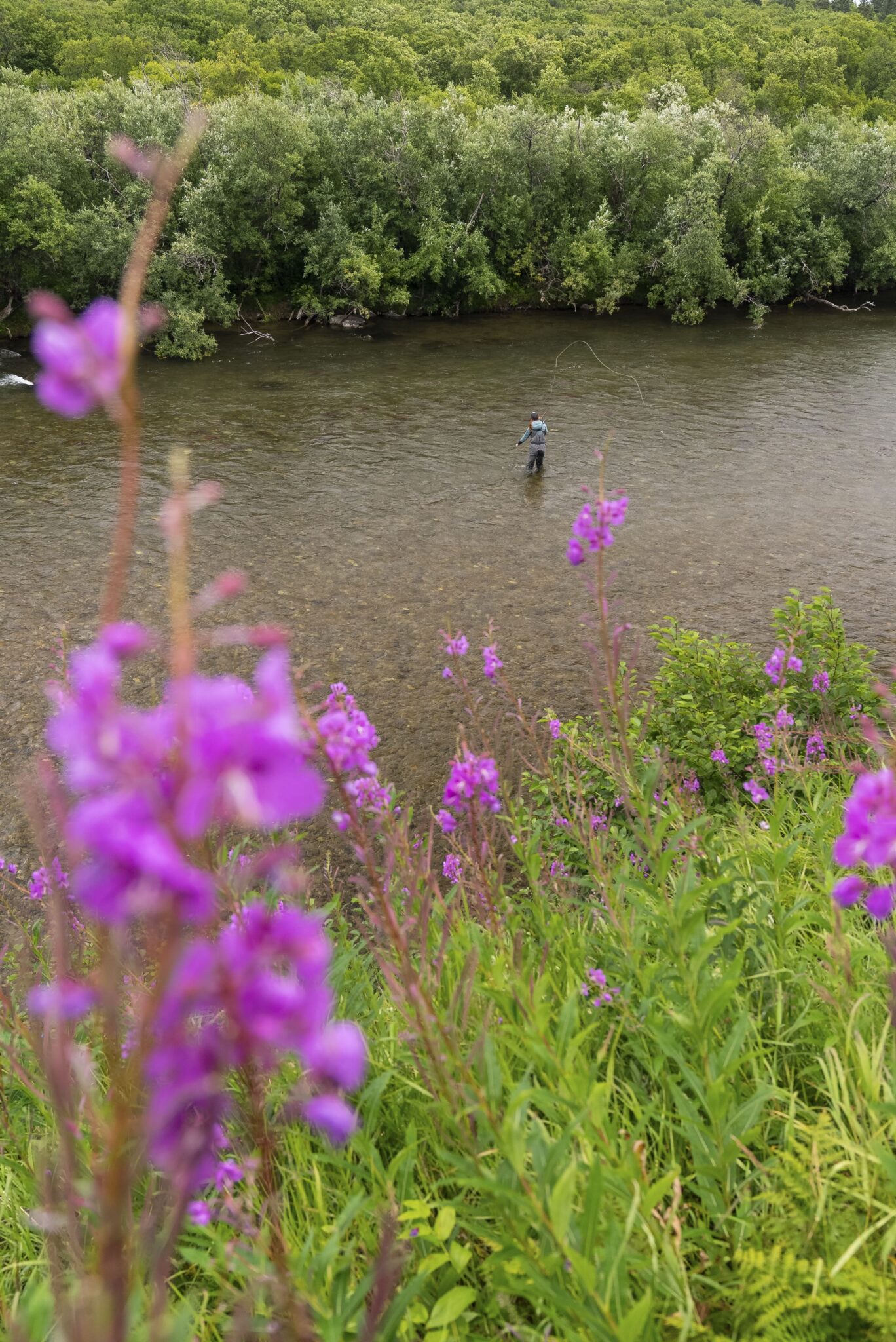
Bristol Bay is home to some of the best native rainbow trout fishing anywhere on earth. From June through October, anglers can target these legendary fish on a variety of different fly patterns. In the early season, a favorite of many is skating a large mouse pattern across gurgling streams of fresh snowmelt. As the salmon start to spawn in early fall you can drop egg patterns behind schools of staging salmon to hook into ravenous rainbows as well as enormous sea-run Dolly Varden. As fall turns into winter, flesh patterns reign supreme as trout attempt to gobble up the last bits of decaying salmon before the long winter. And anytime is a good time to swing a large leech pattern, or egg-sucking leech below a gravel bar or through a deep hole, where some of the biggest of the big ‘bows reside.
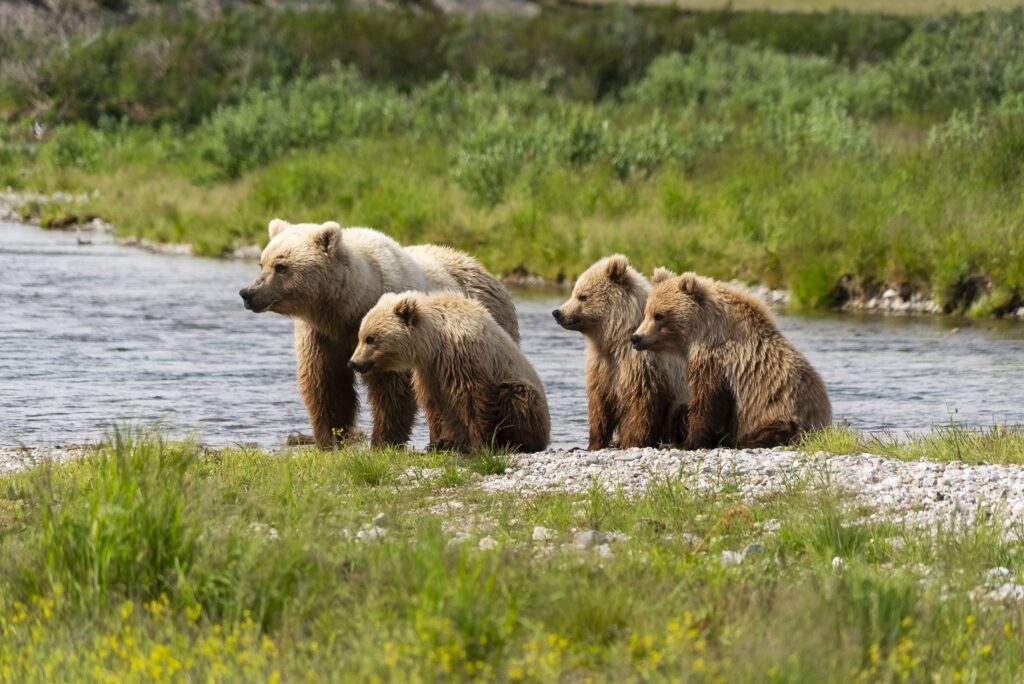
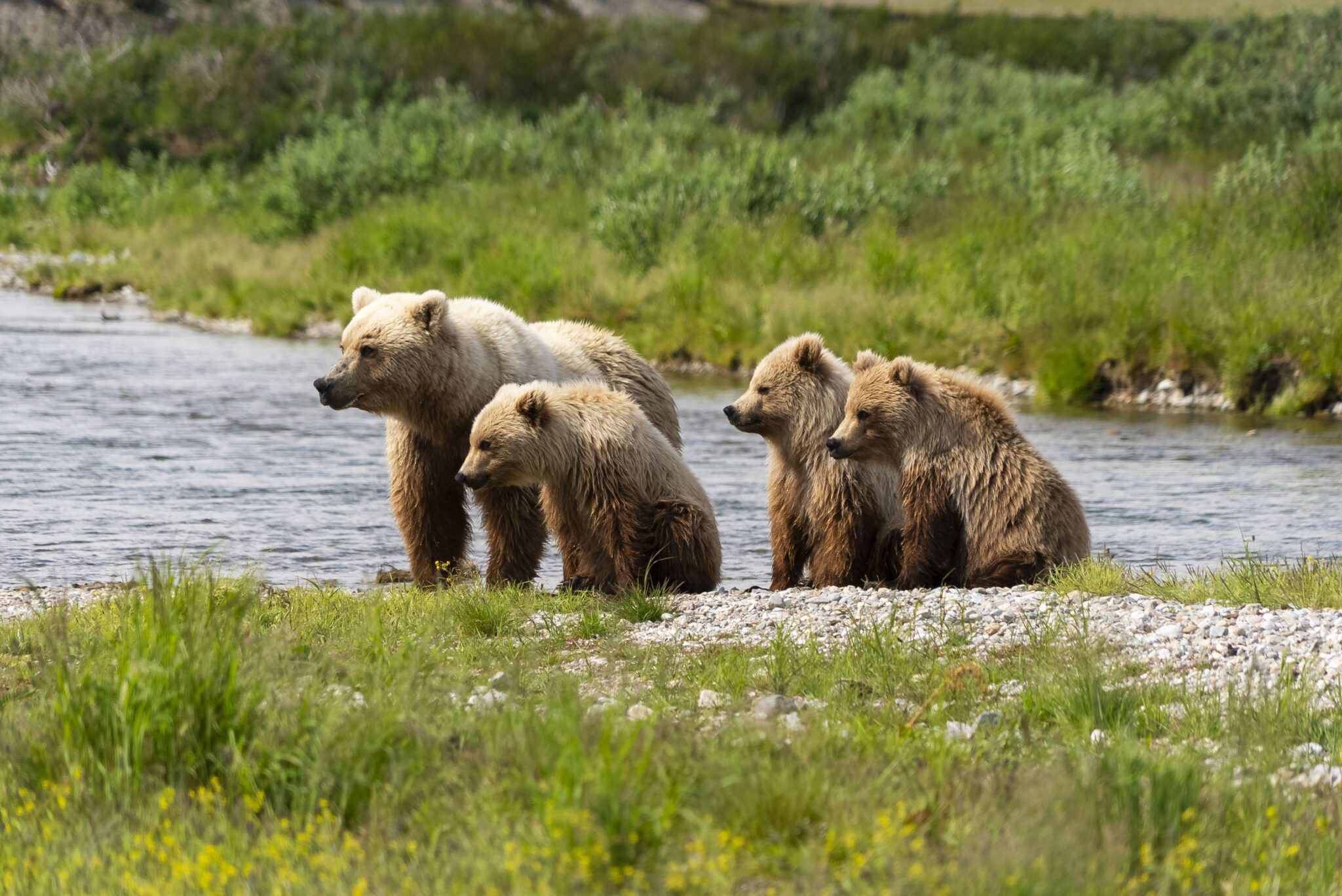
One of many excellent locations for rainbow fishing is on the Brooks River in Katmai National Park. Not only is this river home to fat rainbows, it’s also home to fat bears; enough to give rise to the famous “Fat Bear Week.” Bears (not unlike trout!) gorge on salmon and close out the summer looking exceptionally rotund. Onlookers from across the globe can keep up via webcam and vote for the fattest bear on the Brooks River. Casting a line into this river with dozens of grizzly bear onlookers is an experience that’s hard to forget. Not to mention, a vacation to Bristol Bay can look a whole lot like “fat trout week” if you fish hard enough…
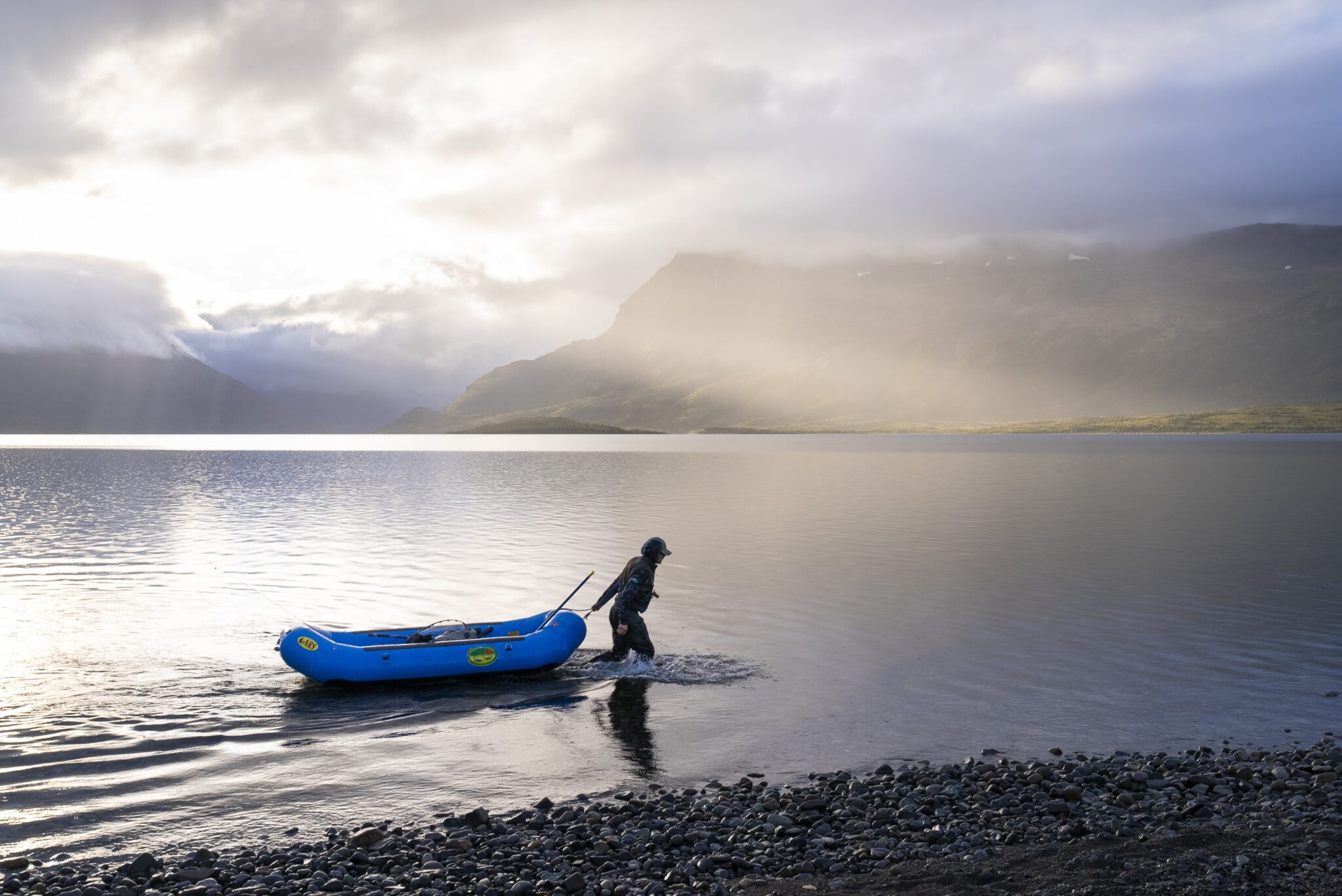
These trophy trout can be found all across the region. From float trips to bush plane fly-outs, from luxury lodges to DIY operations, visitors can choose from an array of experiences to target these prized fish. Looking for a conservation minded guiding operation? Head to our website and check out our Save Bristol Bay Guide Ambassador team. This group of rockstar guides differ in what lodges they work for but are connected by a desire to keep Bristol Bay’s healthy fishery free from large-scale mining.
Wrong Mine. Wrong Place.
The impact of Bristol Bay salmon on the nature and culture of the region can’t be overstated. Aside from fueling a $2.2 billion sustainable economy and nourishing many Indigenous communities, no dollar amount can encapsulate the value of hooking into your first trophy trout. No price can be assigned to the feeling of soaring across a vast landscape in a bush plane free from a single mark of human activity.
Simply put, Bristol Bay, Alaska, is the best of what’s left, and it’s our collective duty to keep it that way. Scan the QR code or text “salmon” to 50457 to ask your representatives to support long-term conservation of Bristol Bay’s fish, jobs and clean water.

Share this post


