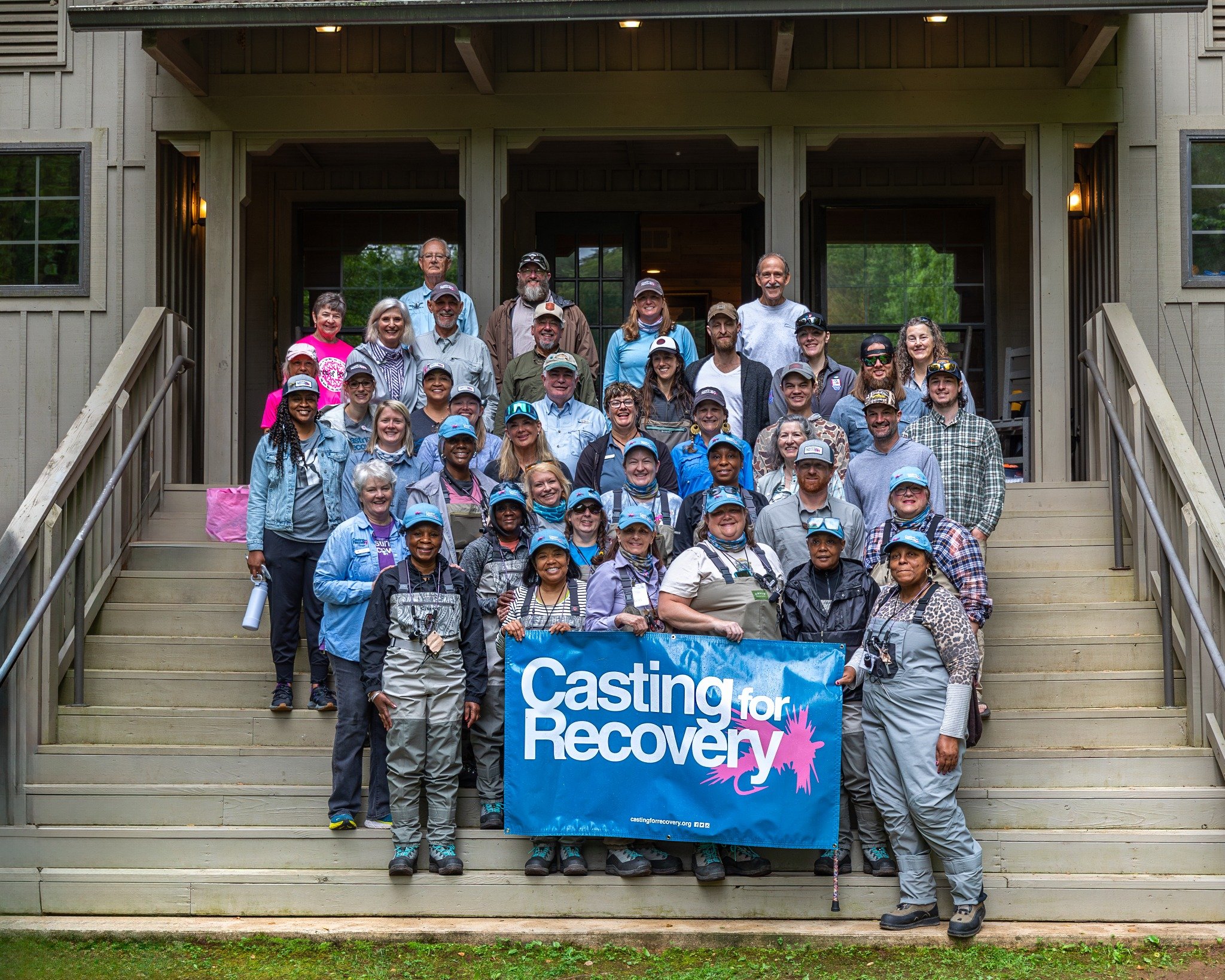


In the delicate arc of a fly line as it sails over a river, there is grace, resilience, and healing. For the women who attend Casting for Recovery (CfR) retreats, this simple act of casting is more than just the hope of catching a big one—it’s a lifeline. Founded in 1996, CfR merges fly fishing with peer support and wellness education to help women in treatment or recovery from breast cancer navigate their journeys.
A Trailblazing Idea for Healing and Connection: The Founder’s Vision
Casting for Recovery began with a revolutionary concept: that fly fishing could be both therapeutic and empowering for women recovering from breast cancer. Dr. Benita Walton, a breast reconstruction surgeon, and Gwenn Perkins Bogart, a professional fly fisher, co-founded CfR with a shared vision. They recognized that the gentle, repetitive motion of fly casting could help women regain strength and mobility post-surgery or radiation. What started with two retreats in the late 90s, has since grown into a nationwide movement with 60 annual programs.
“A Casting for Recovery retreat is so much more than fly fishing—it’s a transformative experience for women navigating life with breast cancer,” explains Susan Gaetz, Executive Director of Casting for Recovery. “Fly fishing isn’t just a sport; it’s a unique form of physical therapy that helps restore flexibility and strength. Its impact goes far beyond the physical—it fosters patience, focus, and the confidence that comes from mastering a new skill, offering women the resilience and empowerment they need to face life’s challenges.”
A Unique Approach to Healing
One in eight women will receive a breast cancer diagnosis in their lifetime. We all know someone—whether it’s a friend, sister, mother, aunt, or wife. While the prevalence of this disease is undeniable, it doesn’t lessen the trauma that comes with a diagnosis. Breast cancer affects far more than just the body. For many women, the diagnosis sets them on a deeply isolating journey filled with fear, anxiety, and a profound sense of loss. Seventy percent of women who apply for a CfR retreat have never attended a support group for breast cancer, demonstrating that the CfR program is filling a critical need in the cancer community.
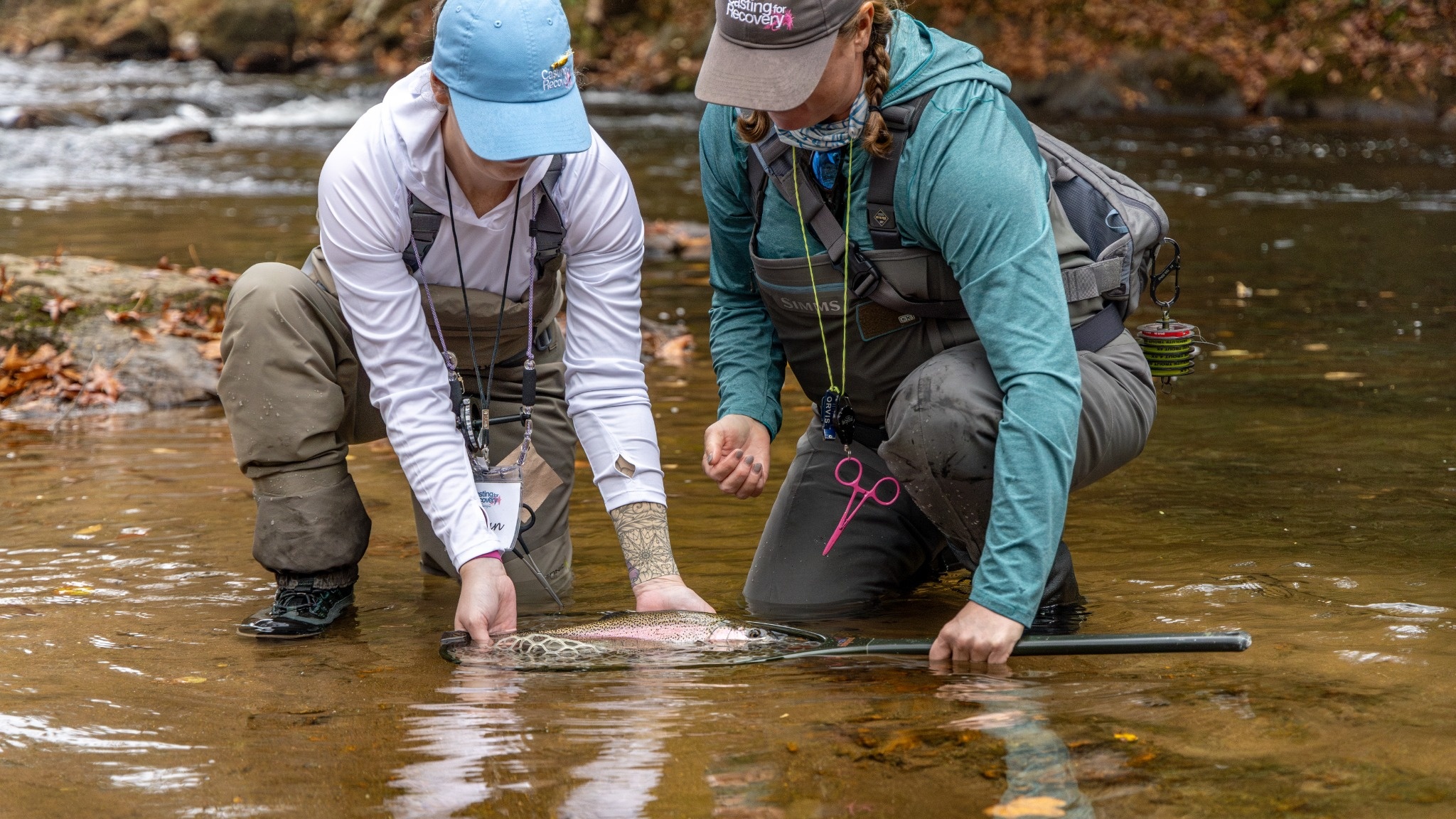
Casting for Recovery’s innovative retreats offer a sanctuary where women can process these struggles within a supportive community. “Breast cancer and its treatments can cause life-altering side effects, from fatigue and chemo brain to anxiety and isolation,” says Alex Huffman, an oncology clinical social worker and longtime CfR volunteer. “Casting for Recovery retreats provide a transformative platform for women to navigate these challenges. Through fly fishing, participants experience joy, peace, and a renewed sense of connection. By the final day of the retreat, I think the participants catch and release much more than fish.”
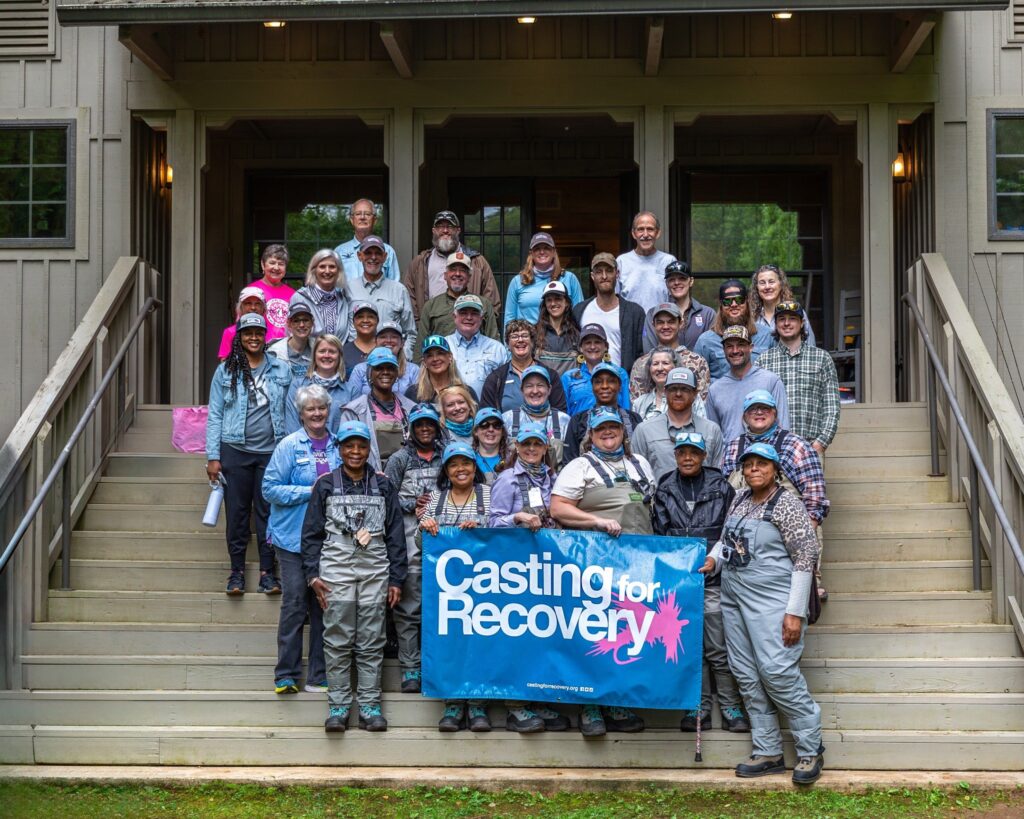
Each weekend retreat combines guided fly-fishing instruction, group discussions, and wellness activities. Fly fishing engages both mind and body while providing an immersion in nature. The serene outdoor settings provide solace, while the shared experience fosters connections among participants that help combat the isolation and anxiety many feel.
The Mental Health Benefits of Fly Fishing
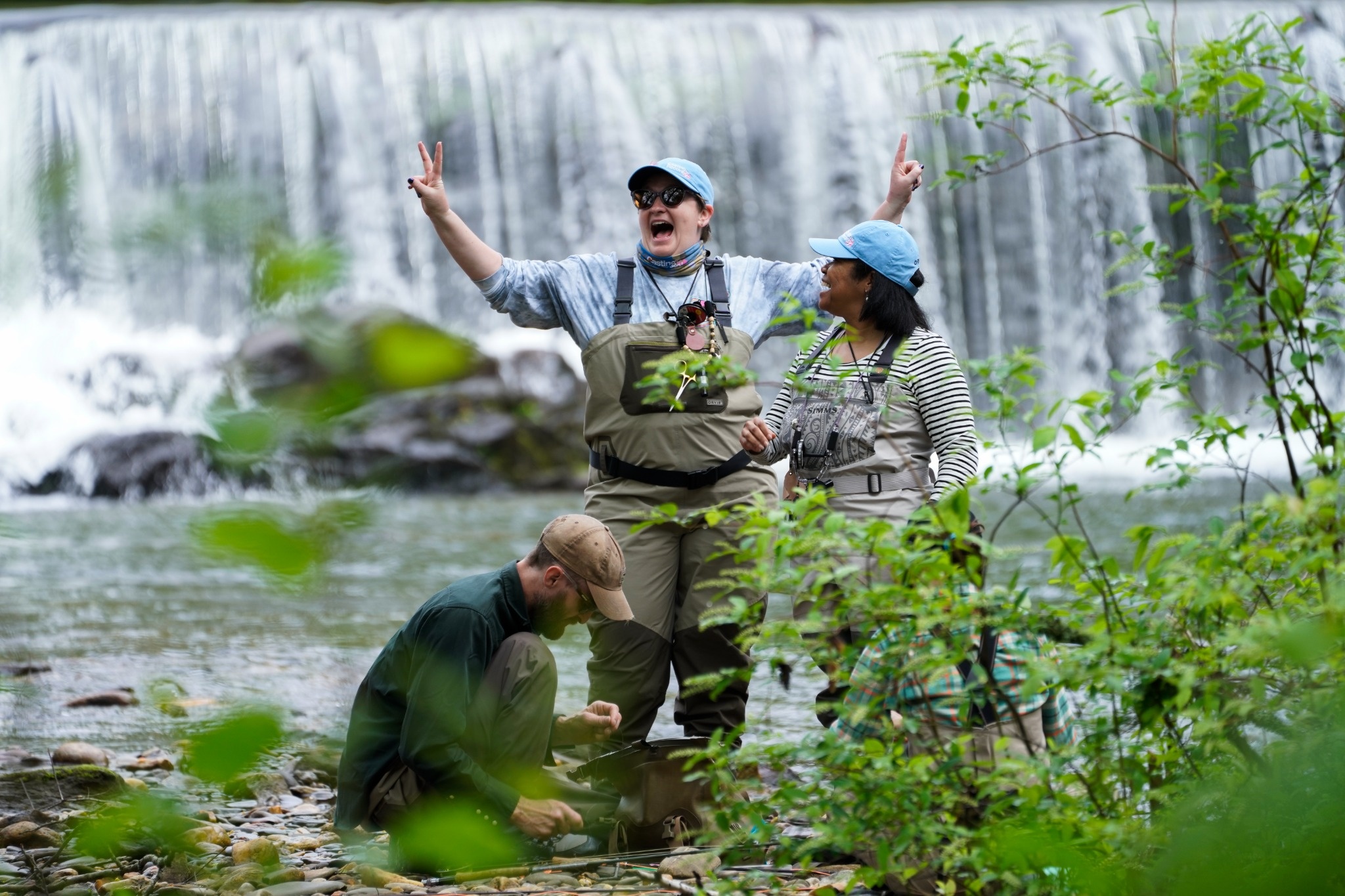
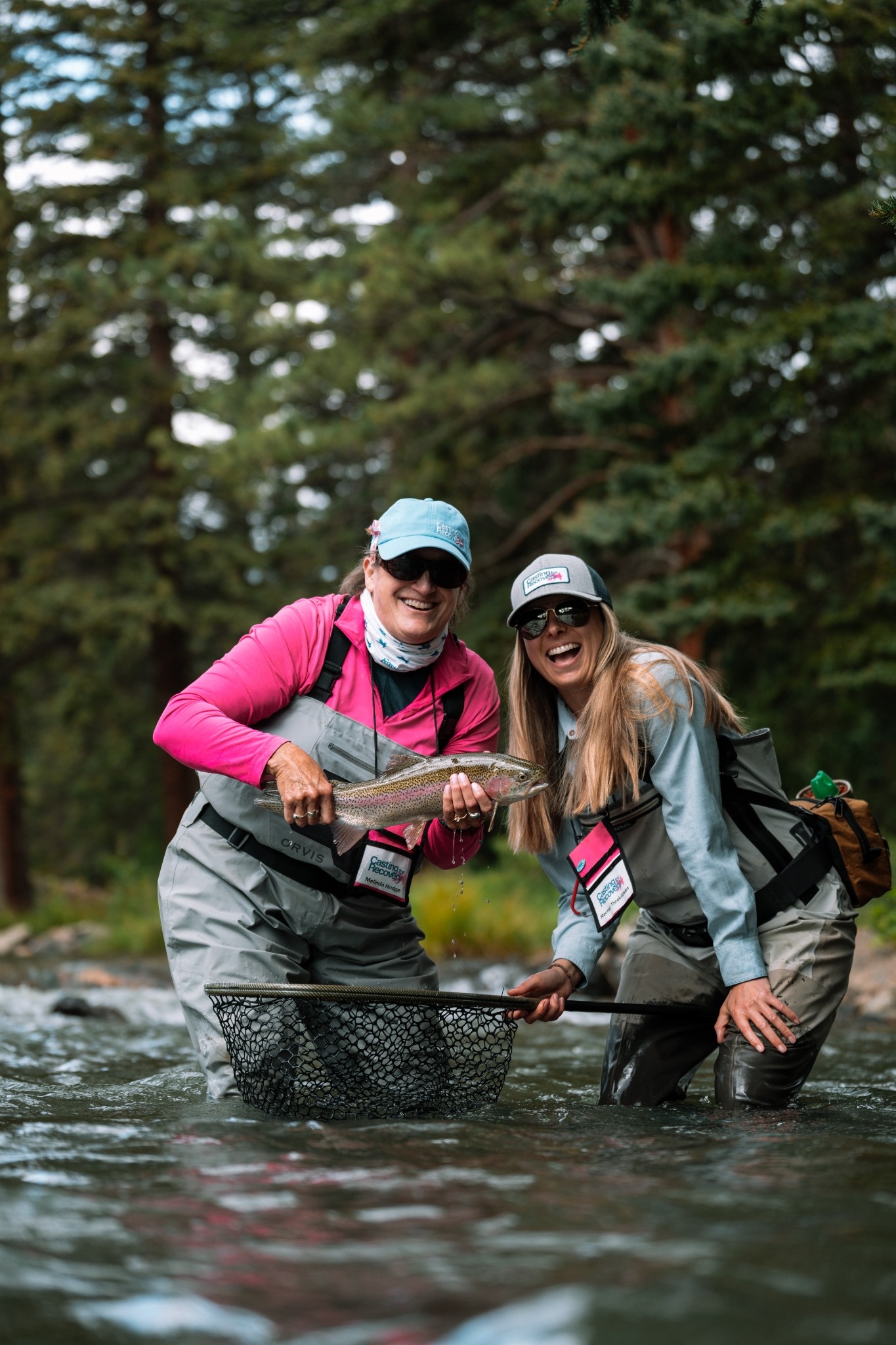
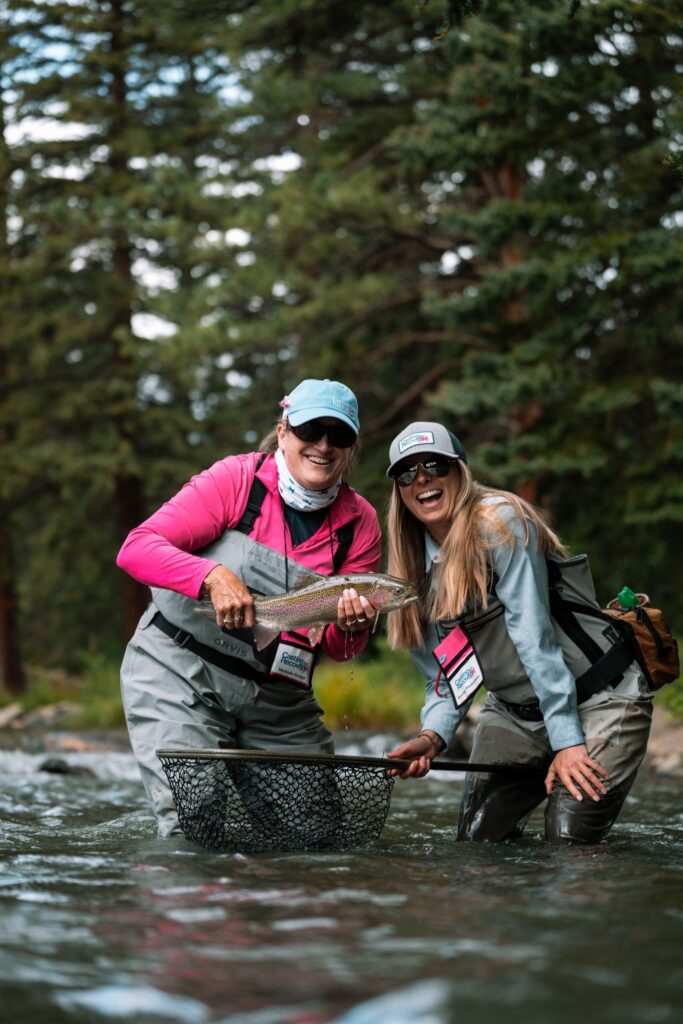
Fly fishing is more than a recreational activity—it’s a therapeutic experience. The act of casting a fly rod requires mindfulness and focus, qualities that naturally ease stress and anxiety. For CfR participants, the experience goes even deeper. On the water, women find moments of empowerment and joy, often landing their first fish with wide smiles and newfound confidence.
According to CfR’s post-retreat evaluations, the impact is profound: over 95% of participants report reduced stress and an increased sense of connection. Many describe the retreat as life-changing, with one participant sharing, “I am so grateful to have been able to participate in CfR. This was probably the single most healing activity I have participated in since being diagnosed.”
A Volunteer-Driven Mission
Casting for Recovery’s impact is made possible by a dedicated network of volunteers. More than 80% of CfR’s workforce donates their time, serving as fishing guides, medical oncology and wellness professionals, and retreat facilitators. This lean structure ensures that donor contributions directly fund the retreats.
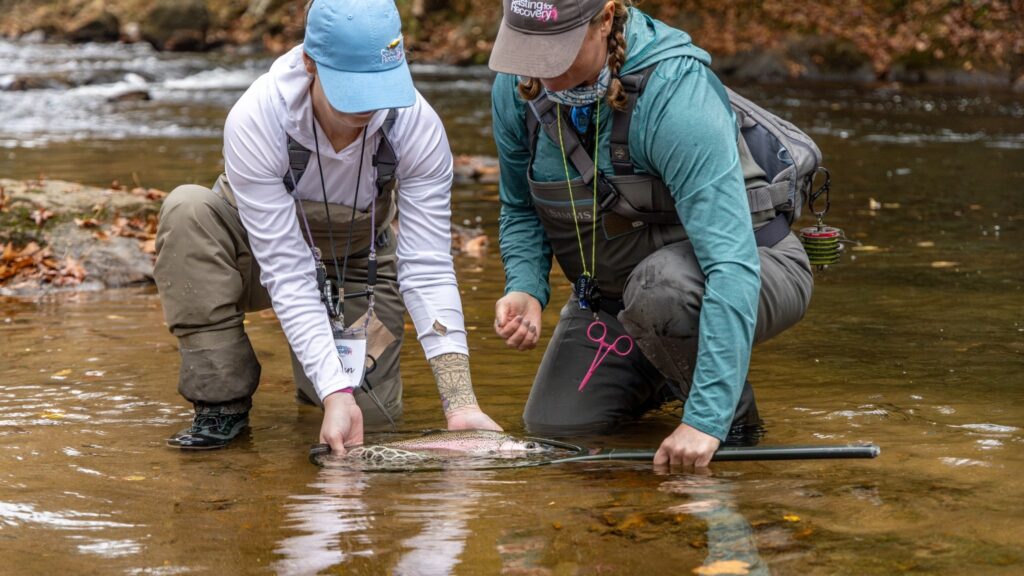
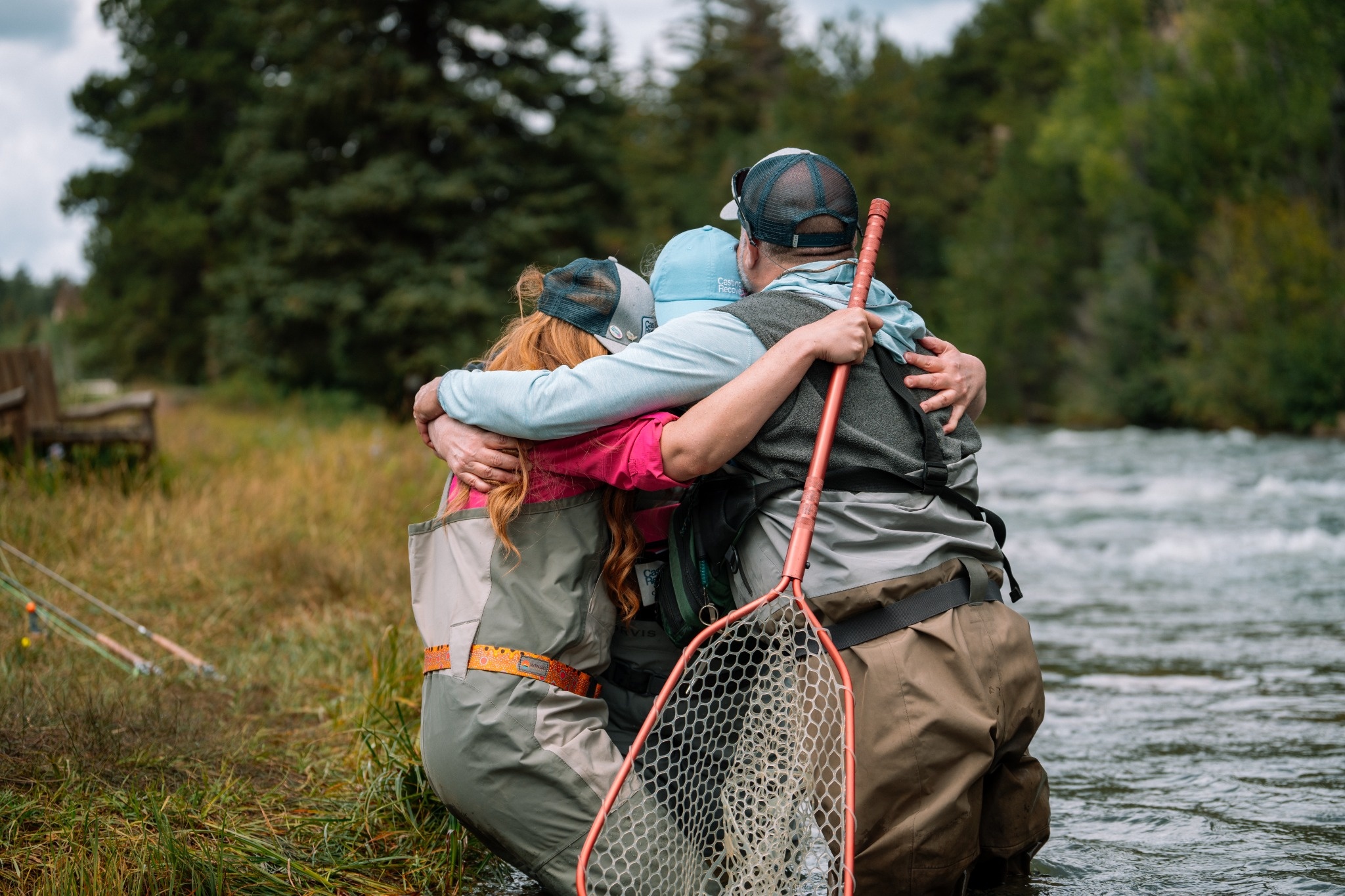
“There’s a moment during every retreat when you see the women light up,” says Kara Armano, a breast cancer survivor, CfR retreat alum, and Colorado Western Slope Volunteer retreat leader. “It might be when they catch their first fish or when they share their cancer story with someone who truly understands. It’s powerful to witness that transformation.”
The retreats are free for all participants, with CfR covering expenses such as accommodations, meals, and equipment. This accessibility is crucial for ensuring that women from all walks of life can benefit from the program.
Reaching Underserved Communities
As the organization grows, Casting for Recovery (CfR) is committed to reaching underserved populations. One-third of CfR participants are under 50, reflecting the increasing prevalence of breast cancer among younger women who often face unique challenges with families and careers. CfR is also expanding its metastatic stage IV retreats to six annually, addressing critical gaps in support for women navigating terminal diagnoses. These retreats offer a safe space for participants to find solace, understanding, and empowerment in a way that traditional services often do not provide.
In 2024, CfR introduced its first Alaska Native Women’s retreat, recognizing the disparities in breast cancer outcomes among Indigenous populations. “Native women have reduced access to screening and specialized care which leads to later-stage diagnoses and lower survival rates,” says Gaetz. “It’s not just about the fishing or the medical breakout sessions—it’s about creating a culturally relevant space where women feel safe, seen, and supported in their healing journey.”
“With a retreat especially for Native peoples, there is a commonality beyond the cancer journey that binds us together. It is a bond of tradition, of our relationship with our world, a connection to each other that is outside of cancer, and that is a special thing to share.” shared Nicole Hallingstad, CfR Alaska Native Women’s retreat participant.
“Our goal is to serve 1,000 women annually in the coming years,” says Gaetz. “We’re focused on breaking down barriers so that every woman who could benefit from a Casting for Recovery retreat knows it’s available to her.”
The Role of Partnerships
Casting for Recovery’s success depends on the generosity of donors and partners, including fly-fishing brands and other organizations. CfR’s partners play a vital role in funding and promoting the retreats. These collaborations provide crucial financial support and help raise awareness about CfR’s mission. To learn more, volunteer, or apply for a retreat, please visit castingforrecovery.org