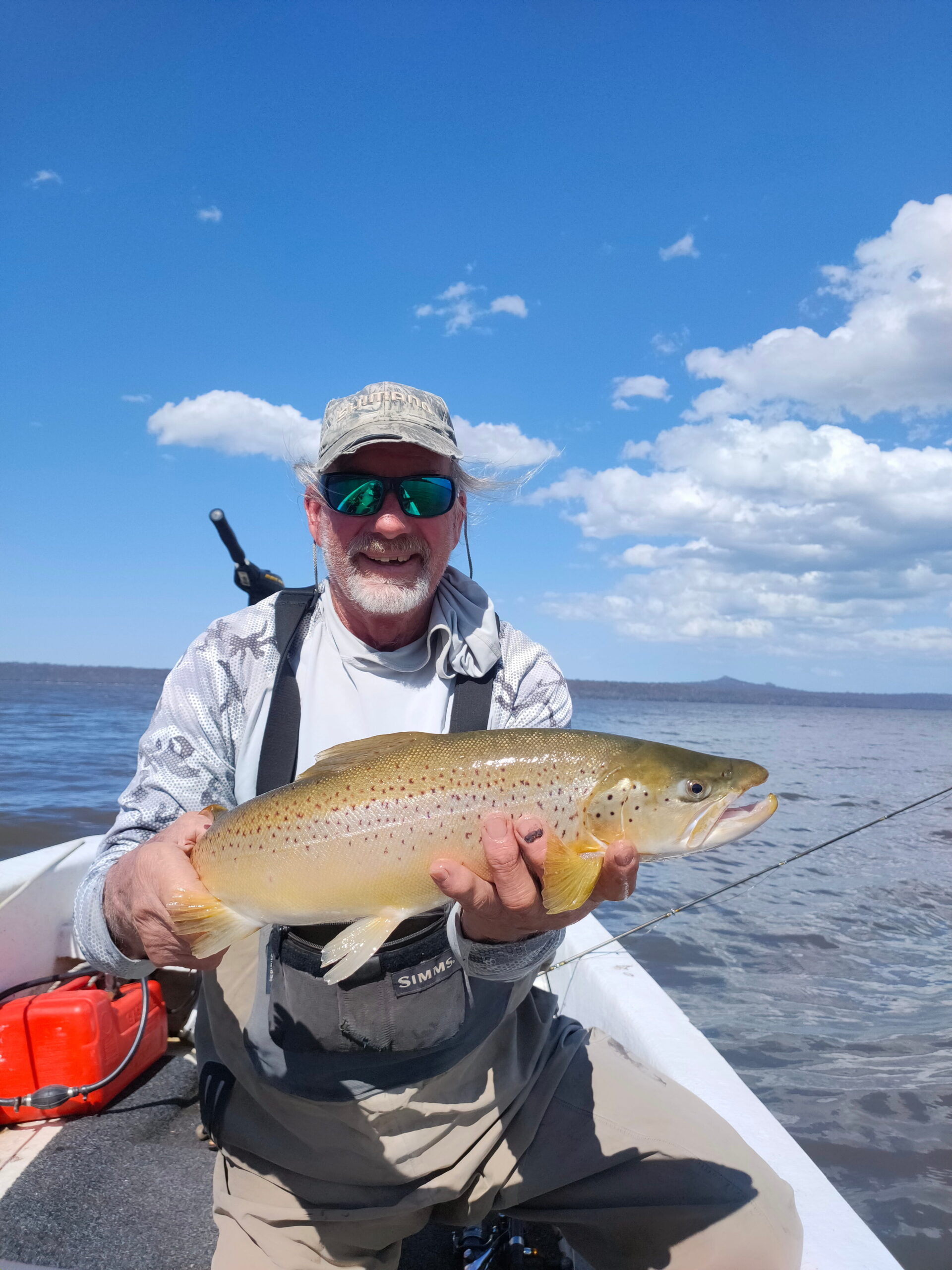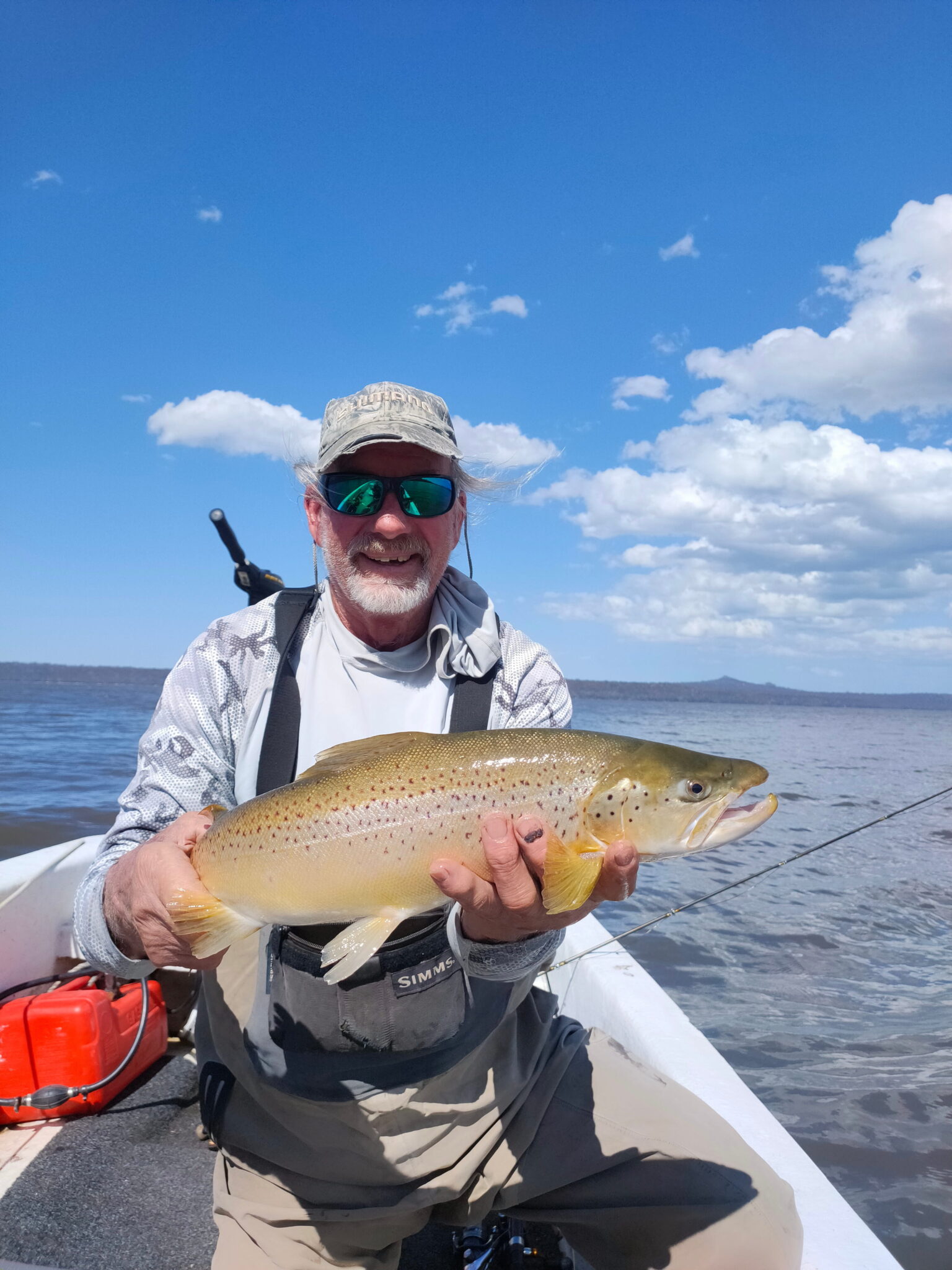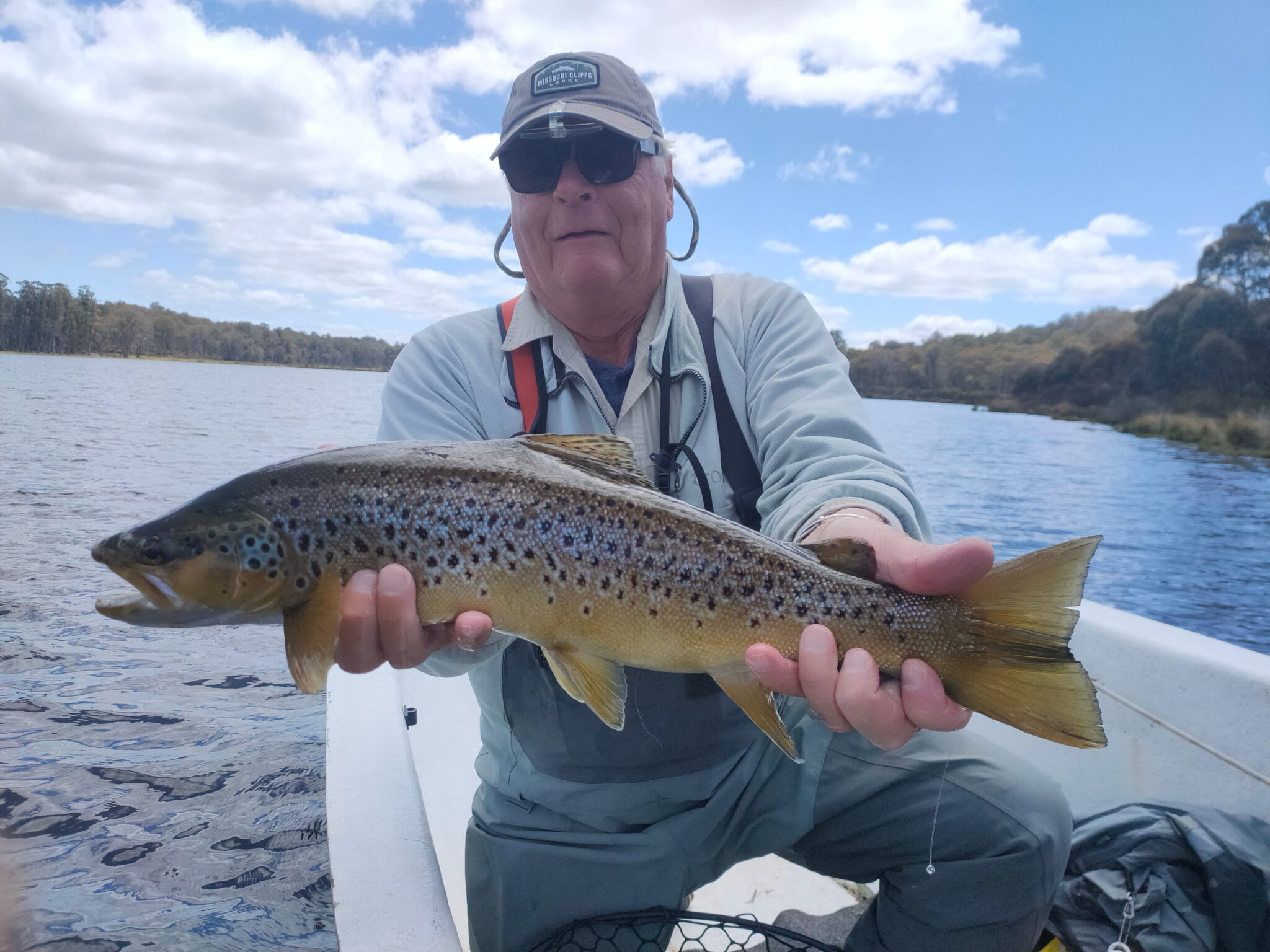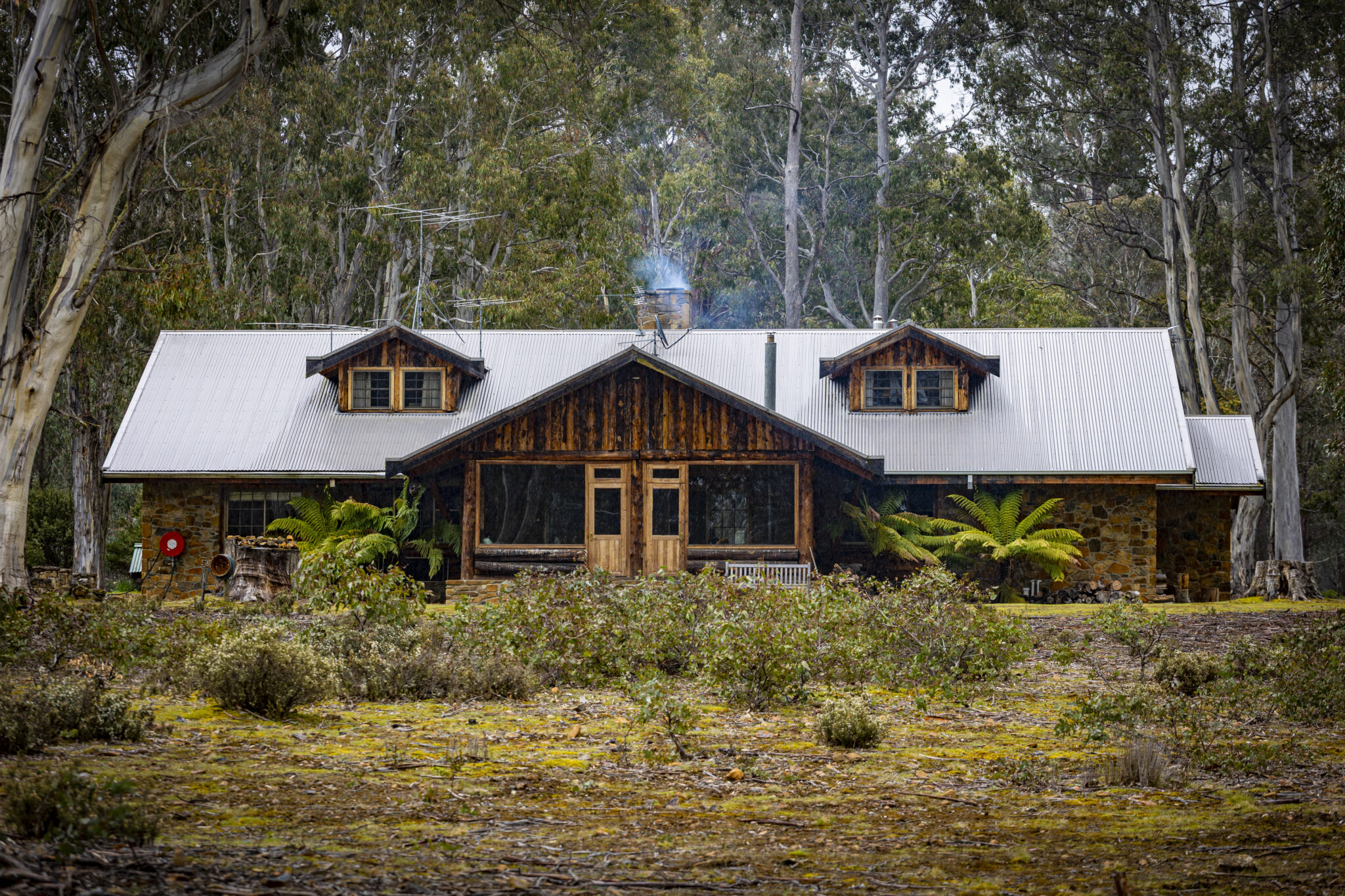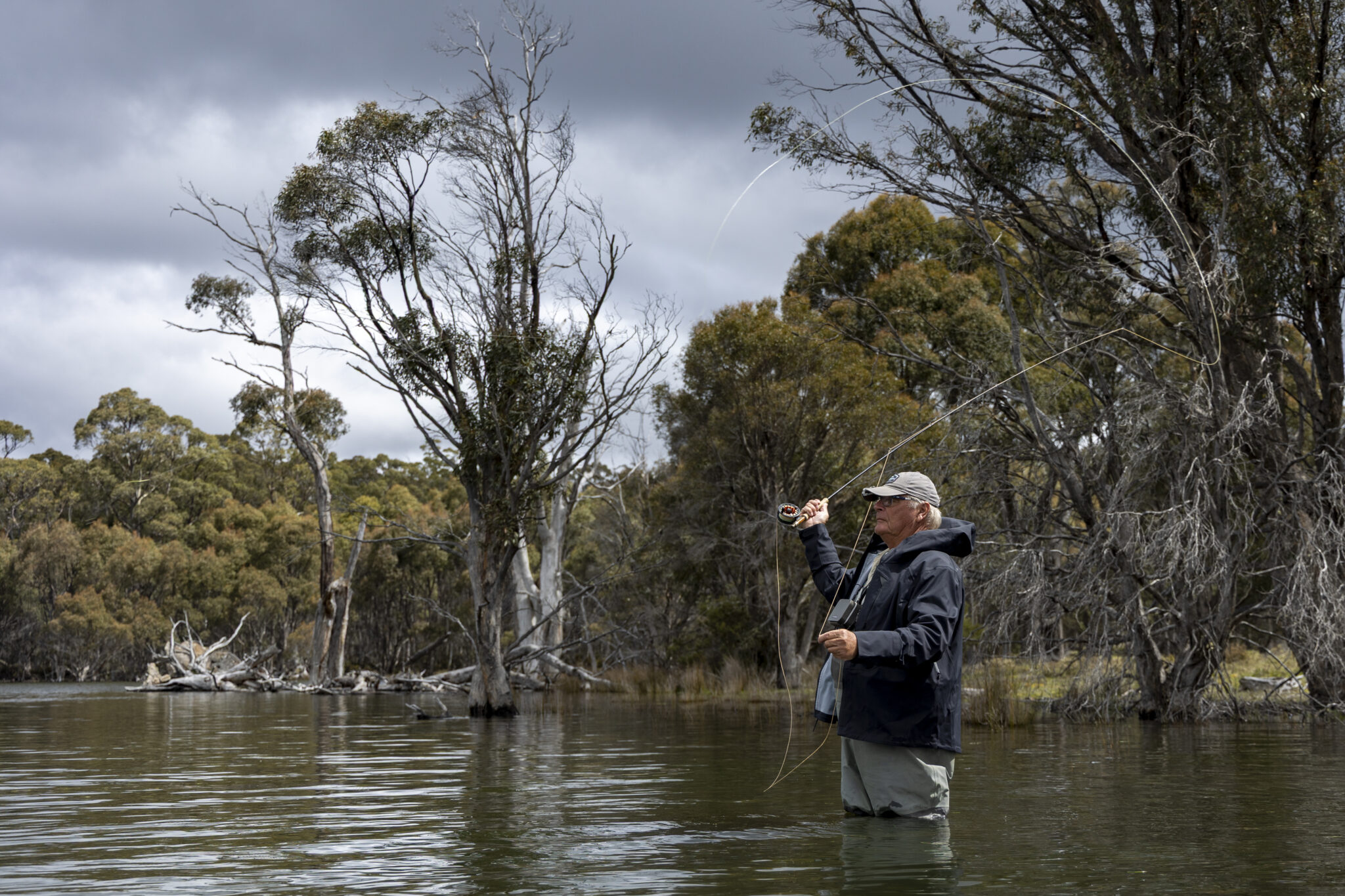


International fly fishers who have visited London Lakes often count it as among the best trout fisheries in the world.
A word I commonly hear is ‘paradise’. Which doesn’t mean the trout are easy to catch. You might buy London Lakes, but you won’t own the fierce wild fish hatched in the gin-clear spawning streams that feed its 1483 acres of lake water.
Any prospective buyer might be advised that trout have a mind of their own, no matter how rich or powerful you may be. As President Herbert Hoover famously said, it doesn’t matter who you are, “All men are equal before fish.”
Real estate agents may not be best qualified to sell Paradise as they are generally considered to be heading in the other direction. But someone had to do it and so the five-thousand-acre London Lakes fishery on the island of Tasmania has been listed for sale:
“A one-of-a-kind flyfishing estate, used as a private oasis for two decades in the heart of the Tasmanian Central Highlands, has hit the market with a USD $20 million price tag.”
As a journalist who has travelled to more than a hundred countries I think I am more than qualified to know paradise when I see it.
London Lakes is set in the world’s cleanest air, 2,500 feet high in the Central Highlands of the Australian island-state of Tasmania.
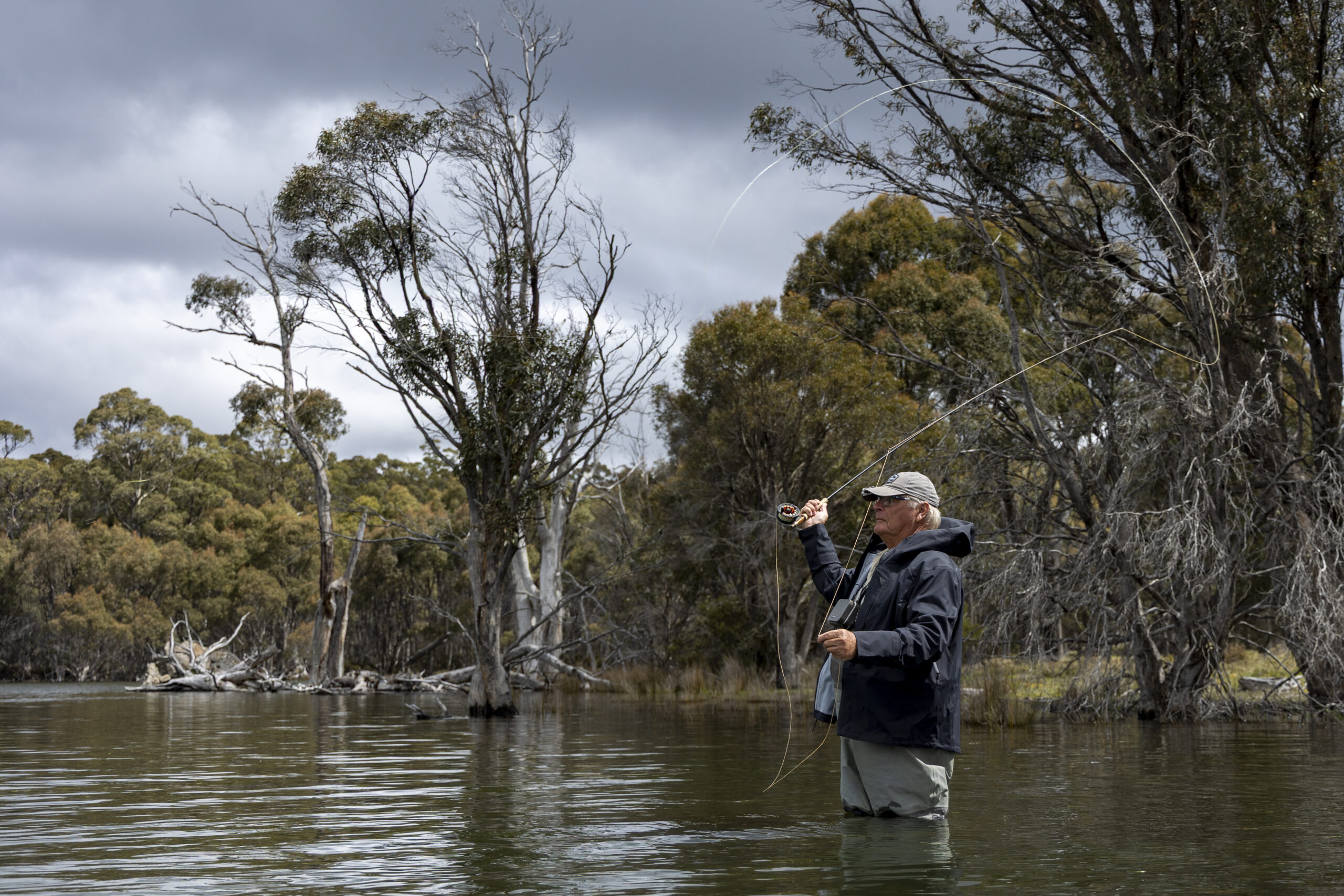
For me it is also highly elevated in the diminishing list of the places I once considered to be paradise.
Over-tourism is often the problem. Travel writers can kill the thing they love by making them too popular. But I’m betting that most of you have scarcely heard of Tasmania and never heard of London Lakes, a private sanctuary protected by its distant geography.
Tasmania is a land of formidable coastline and of mountains, forests and lakes. Covering more than 26,000 square miles the island is about the size of West Virgina.
Find Tasmania on the map and it appears as an island remotely anchored beneath Australia, way down at the bottom of the world, not so far from Antarctica.
In fact, the map is misleading. Tasmania is the last land of note, but it is still 1600 miles of trackless ocean away from the ice. There’s nothing in-between which can explain the sometimes Montana-like dramatic drops in temperature.
Despite all that, at around 42 degrees of Latitude South, ‘Tassie’ as the locals call it, is actually much more of a ‘Mediterranean island’, not quite halfway down the globe.
In the northern hemisphere the island state shares a 42-degree line of latitude with the Italian capital Rome and with lovely Oporto in Portugal along with the celebrated wine regions of the south of France.
In the USA the same line of latitude encompasses the giant redwoods of northern California, the famous trout streams of Montana and through to the east coast and the temperate climes of Rhode Island, where I once caught a nice rainbow trout.
I was meant to be reporting on the America’s Cup.
From an international trout fisher’s point of view Tasmanian is in the “Goldilocks’ spot”, not too hot and not too cold and just right for trout, with London Lakes slap in the very center.
If you were searching for the ideal place on this crowded and polluted planet to create a trout fishery, this is where you would look.
From the moment the famous Australian fly fisherman Jason Garrett saw a large tract of bush and boggy swampland in high central Tasmania he envisioned magnificent possibilities. He contemplated not the reedy morass that was, but the broad sparkling clear fishing waters it might become.
He imagined a lake surface clearly marked with those tell-tale rings of bright water left by trout when they rise to take insects from the air.
The reality surpassed the creators imaginings. In a world where insect decline is a matter of great concern, at London Lakes you might never know there was a problem.
The seasons are a marked calendar of fly hatches in massive numbers. Midge in September and April, Mayfly in October through January and then again in March and April.
Sometimes insects occur in clouds so thick that you need to mask your mouth and nose to avoid inhaling canids, gum beetles and a host of others, none of which I can report are particularly tasty.
Jason Garrett was a surveyor by trade and a fly fisher by passion. Those combined skills allowed him to craft a system of shallow lakes with weed beds providing cover for the aquatic stages of fly life and its eggs.
Fallen trees have been left in places to create protective cover for the trout and sometimes a challenge to fishermen.
As a kid I spent formative years in the Tasmanian high country where my father worked in the dam building business for the state energy authority.
Since then, I have returned to find (as with so much of the world) that things have changed, not for the better. But thanks to Jason’s long custodianship of London Lakes (continued by the present owners) a half century of conservation has preserved at least one corner to remind us of what the wider world was once like.
In the early mornings and in the dying light the discreet angler stalking the water margins will likely encounter wallabies, wombats, quolls, eagles and of course the world-famous Tasmanian devils, the only thing most American’s know about Tasmania.
Decades ago, I first met the legendary Jason Garrett when I was making a trout fishing documentary. He told me how he had first approached the original owner Jim Hall, a mountain of a man with the easy swagger and the gravel voiced drawl of John Wayne.
“When I told him I wanted to flood what was then known as London Marshes he wasn’t at all keen,” Jason told me.
Apparently the irascible giant known as ‘Big Jim’ declared, “Be damned if you will flood it! I’ve spent years trying to drain the place to graze my cattle.”
But when Jason explained his vision of a high-quality fishing resort with an international reputation for trout fishing Jim Hall loved the idea.
“He became my biggest supporter,” Jason said.
When the deal went through Jason named the 943-acre largest of the new waters, Lake Big Jim.
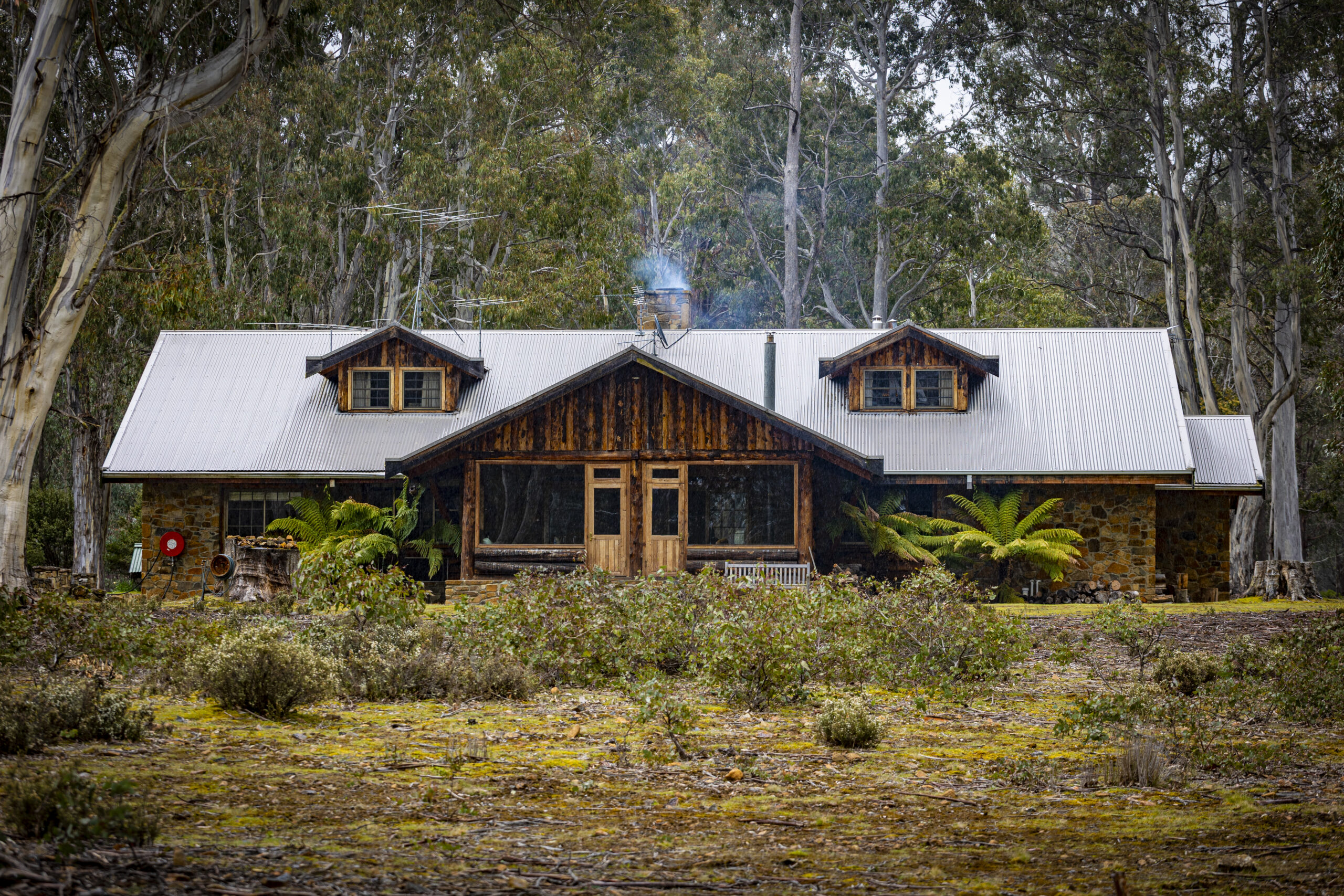
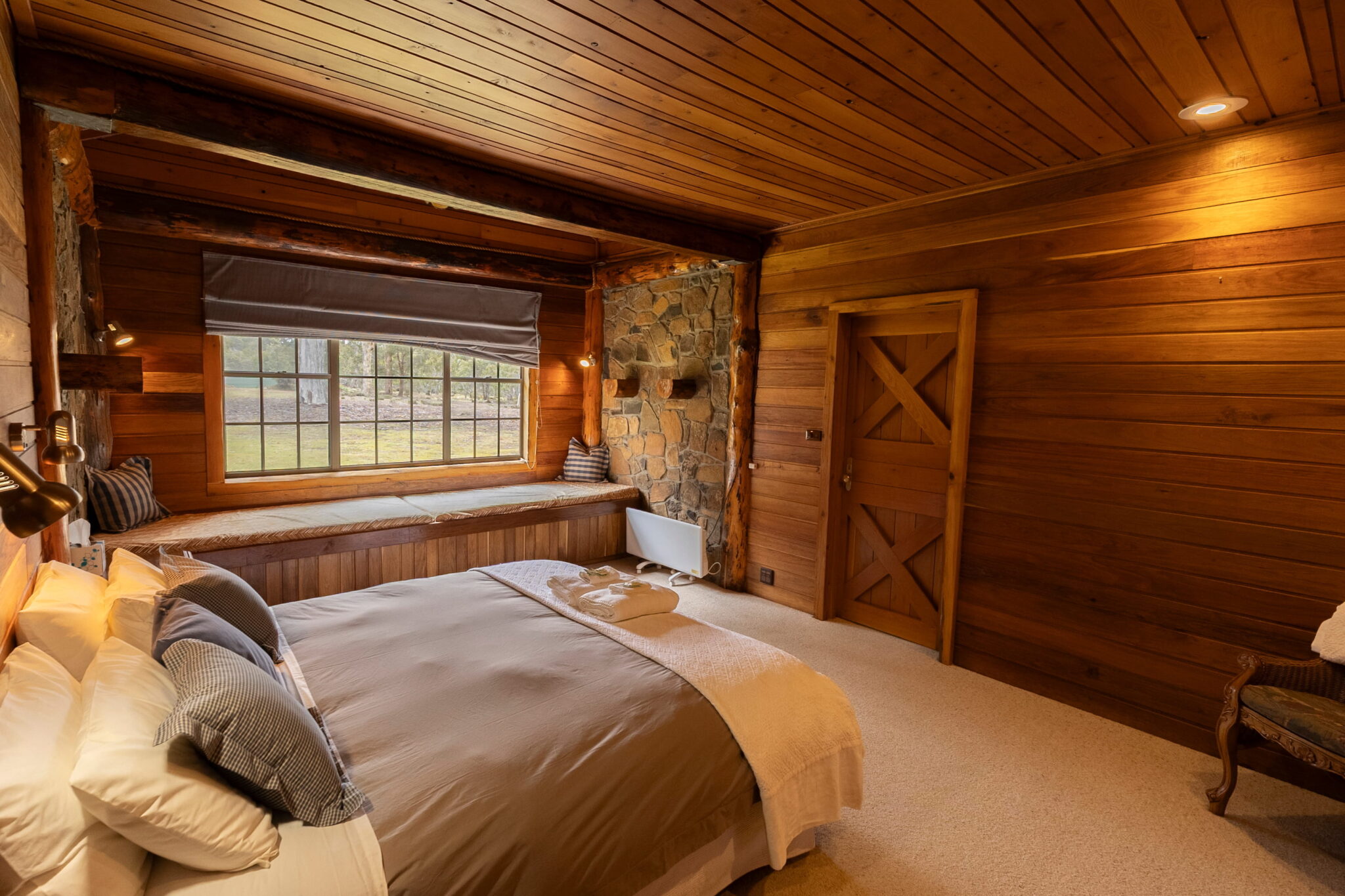
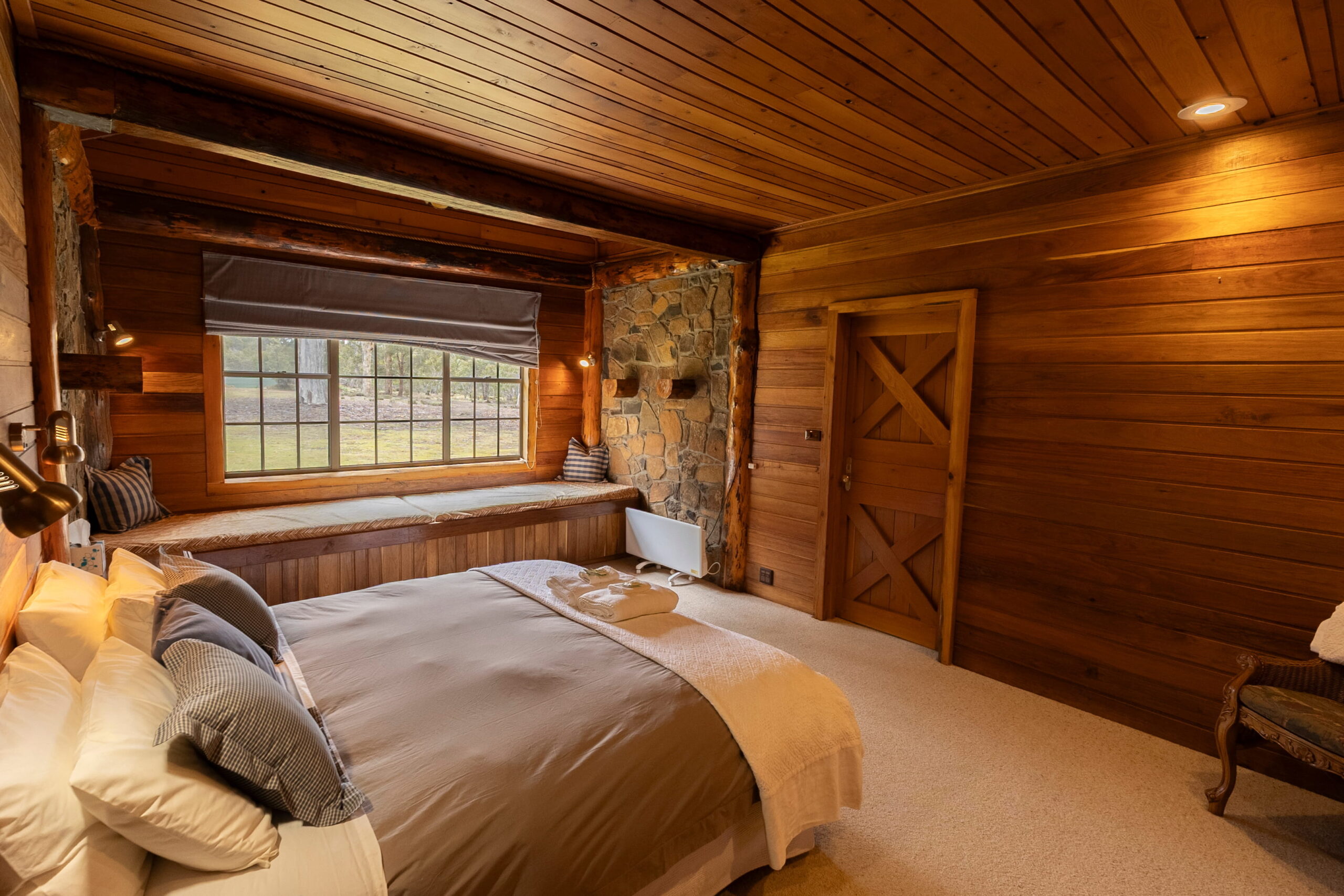
Filming there decades ago I stayed in the splendid six-bedroom lakefront lodge built from native timber and natural stone.
After a long day on the water, I remember getting back under a star-filled night sky to the hospitality of a roaring fire. There was freshly caught trout and roasted Tasmanian beef with local red wine.
I had caught a six-pound trout on a dry fly that day but what I remember best was the conviviality of the lodge where the tales they told were as tall as the surrounding highland bush.
Jason Garrett has gone now to wherever the most enthusiastic fly fishers go. But sometimes I fancy I still see him in my mind’s eye haunting the margins of Lake Big Jim.
I might have seen him there just a few days ago when I used this article as an excuse to revisit one of my favorite places in the world.
Reflected in the slanting late afternoon light, Jason Garrett was surely admiring his creation which has introduced so many people, including this writer, to the contemplative delights of the natural world.
Jason’s ghost (which comes with the property) would have every right to be pleased, when like the creator in the Book of Genesis he sees “All that he made and behold, it was very good”.