

2025 field season wraps up for trout and river recreation research in southwestern Montana
FWP and MSU continue partnering on four studies
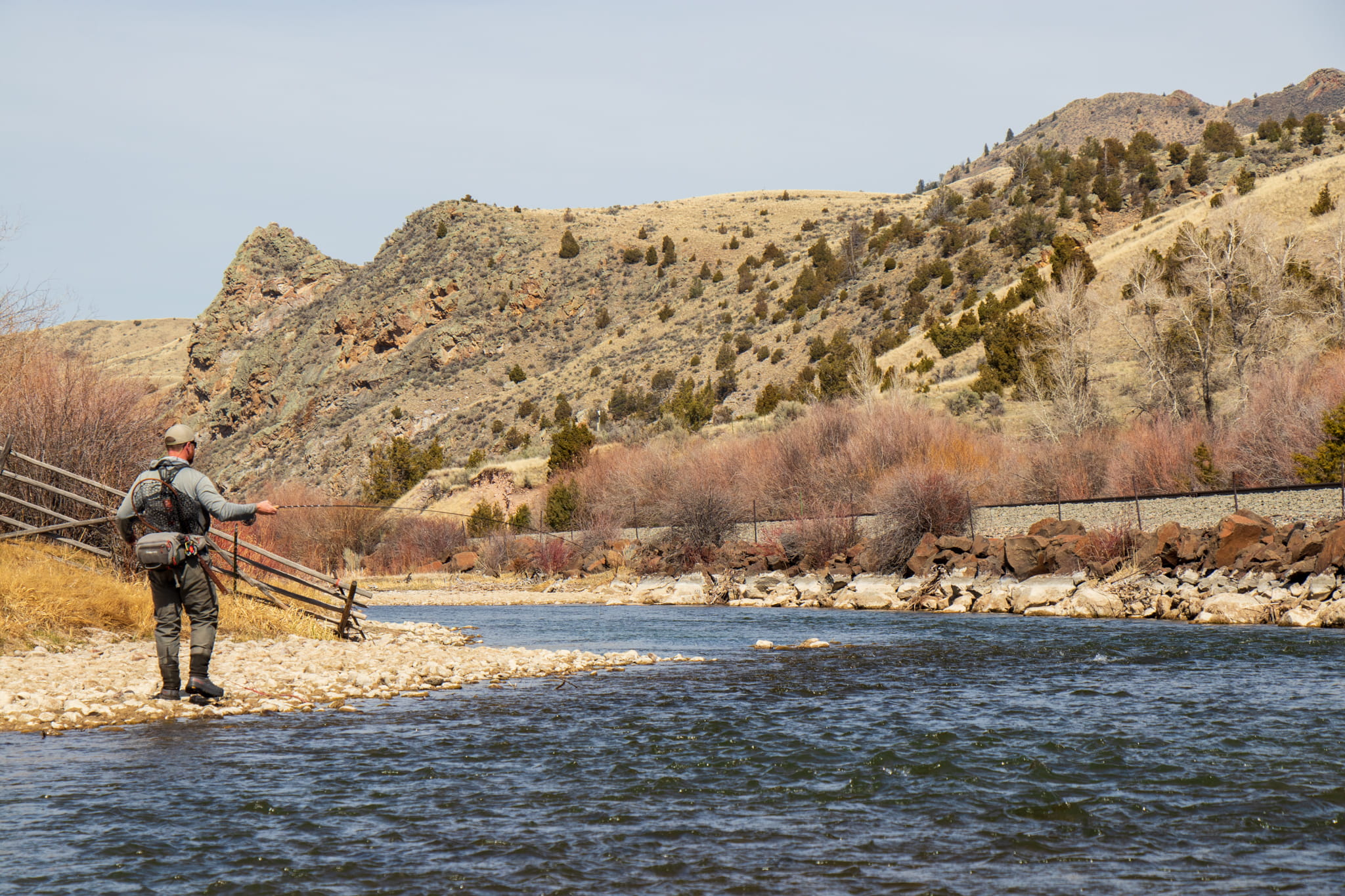
BOZEMAN – Montana Fish, Wildlife & Parks has wrapped up the 2025 field season for trout research in southwestern Montana.
This year, researchers spent hundreds of hours talking to anglers, counting fish, taking tissue samples, and compiling data, all in a focused effort to better understand what is affecting trout populations in some of Montana’s most prized fisheries.
The research is part of a multi-year partnership between Montana State University and FWP prompted by trout population estimates in 2023 that were at or near historic lows in portions of the Big Hole, Beaverhead and Ruby rivers. The joint effort includes four studies focusing on trout recruitment in tributaries, adult trout mortality, fish health, and river recreational use.
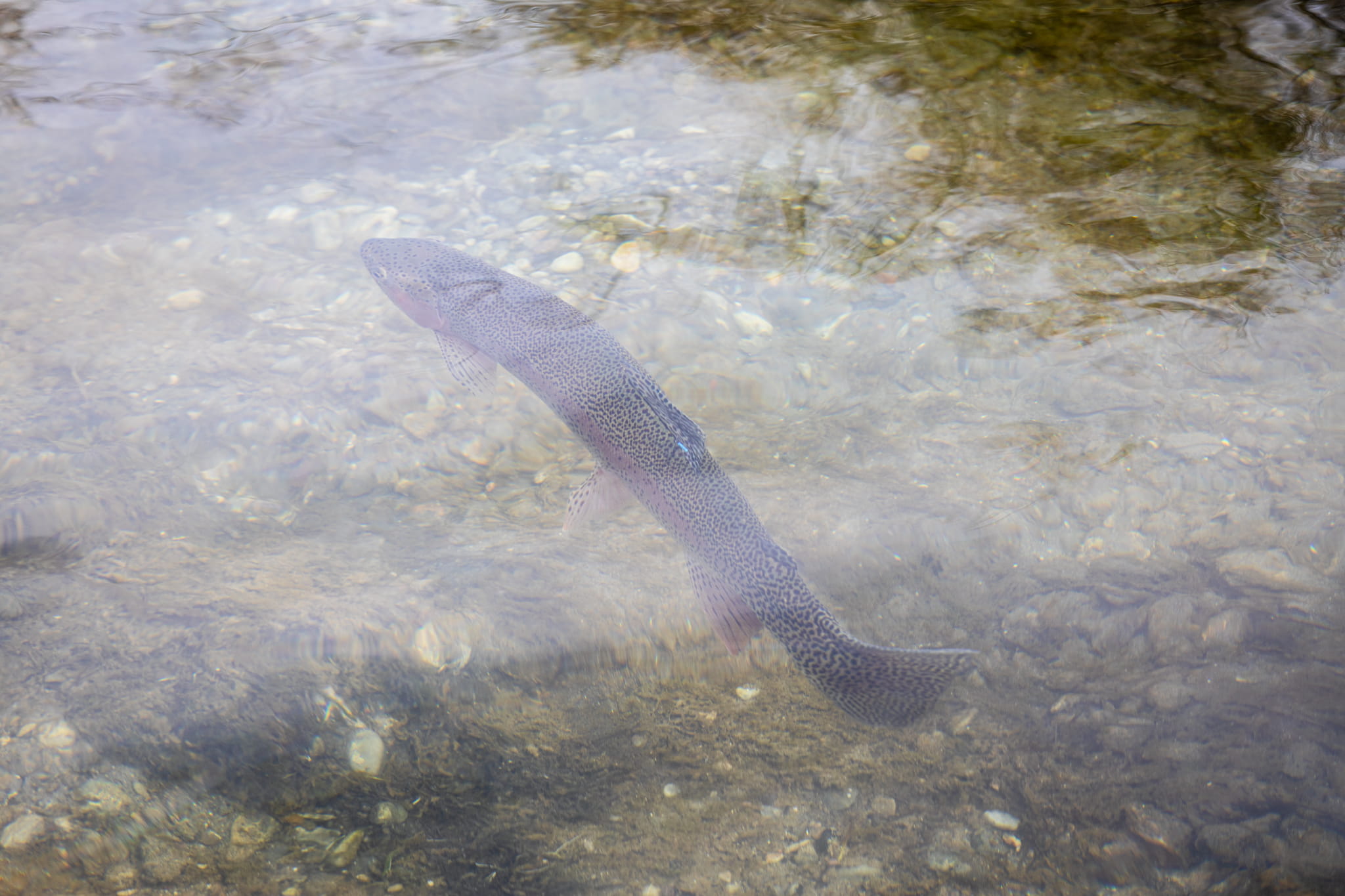
Preliminary results from the 2025 field season are being compiled, and interim summaries will be posted on FWP’s website as they become available in the coming months.
“We greatly appreciate anglers and other recreationists who are contributing to these studies,” said Mike Duncan, FWP’s fisheries program manager in southwestern Montana. “Their continued support will make informed solutions possible for sustaining these cherished resources.”
Juvenile recruitment
This year MSU staff sampled juvenile trout in 12 tributaries to the three rivers, as well as several mainstem sections. Researchers are using trout otoliths (inner ear structures) to analyze which waterbody each fish hatched in and when it entered the river’s mainstem. This will help inform efforts to improve conditions for fish in tributaries that contribute to mainstem trout populations.
Adult mortality
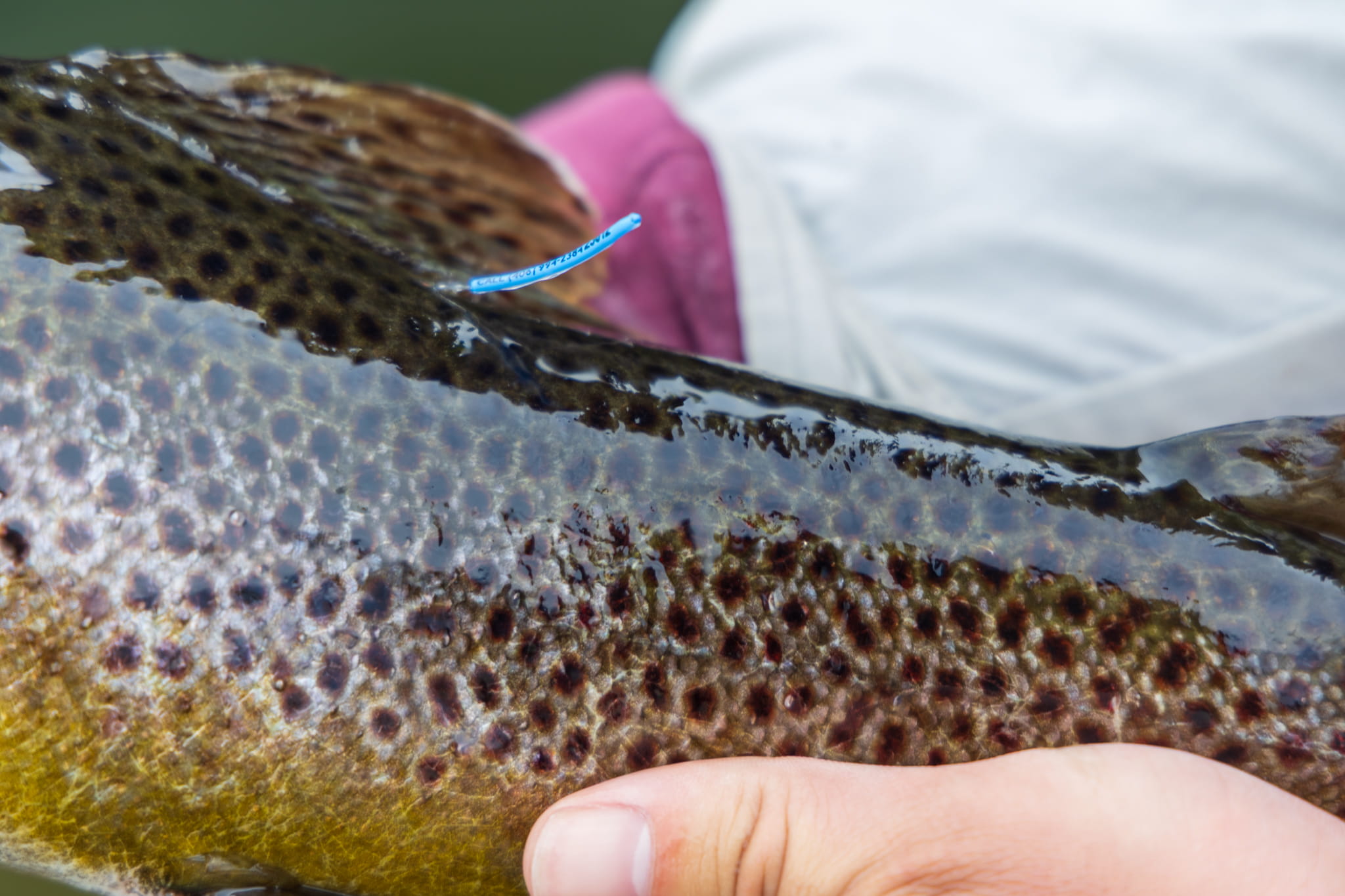
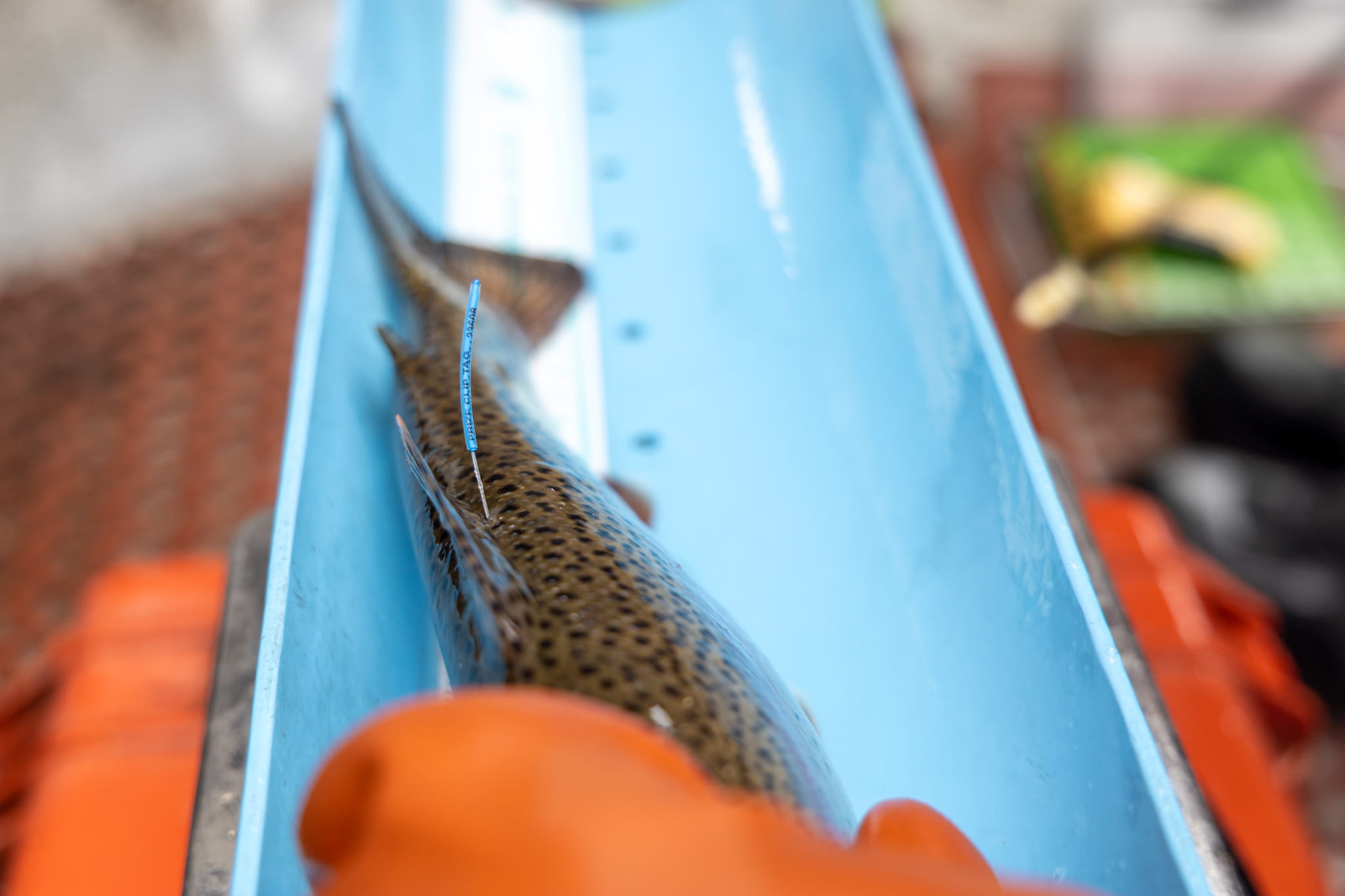
FWP staff tagged trout in the Big Hole, Beaverhead, Ruby and Madison rivers again this year. This sampling and reports from anglers who catch tagged fish help researchers identify individual fish and monitor their health, survival, movements and other indicators over time.
Anglers who report catching tagged fish are substantively contributing to the informed management of these fisheries. Anglers who report catching tagged trout are entered into prize drawings and cash rewards. These rewards will continue in 2026.
Researchers are continuing to ask anglers to clip tags off fish caught in these rivers, then submit a report for each tag. To submit a report, visit mtcfru.org/msutag.
Fish health
FWP staff continue to monitor fish health after sick fish were reported in 2023. Since then, FWP monitoring efforts during spring and fall sampling found infections in less than 1 percent of sampled fish in 2024 and 2025.
Although no potential causes of observed infections have been identified by the Big Hole Fish Health Workgroup, FWP staff and partners continue to pursue testing that will identify or at least rule out potential pathogens or other causes.
River recreation
FWP and MSU staff are also interviewing recreationists on the Big Hole, Beaverhead, Ruby, Madison and upper Yellowstone rivers. The river recreation study aims to better characterize overall use on and around rivers to help provide the best recreational experience possible while protecting the resources Montanans enjoy.